
Strobilanthes cordifolia
Strobilanthes cordifolia
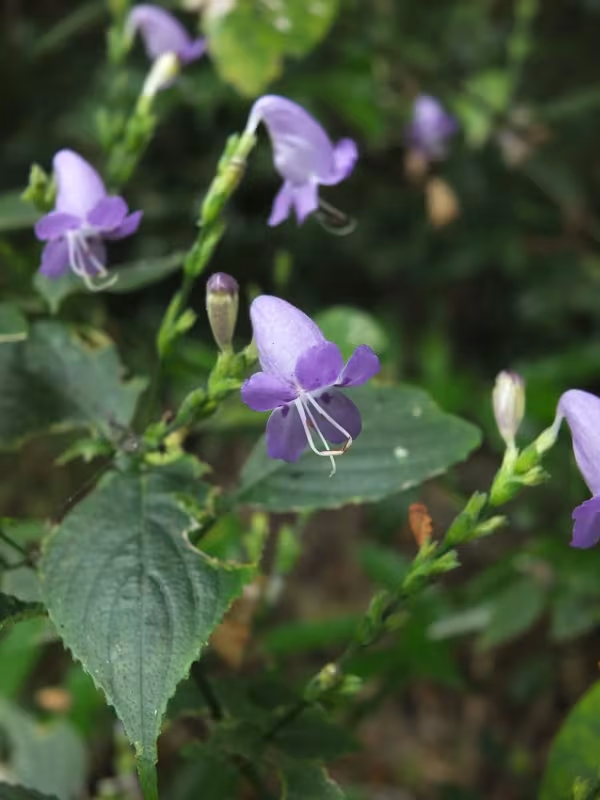
Description
Growing requirements
Strobilanthes cordifolia is an herbaceous perennial belonging to the Acanthaceae family. This species is native to tropical regions of Asia, where it thrives in the understory of dense forests characterized by high humidity and filtered sunlight.
The plant is distinguished by its unique cordate (heart-shaped) leaves and a robust growth habit. It is highly valued in horticulture for its foliage quality, often used to add texture to interior landscapes and conservatory displays.
Optimal growth requires consistent warmth, ideally between 20°C and 26°C. It is intolerant of cold drafts and requires protection from extreme temperature fluctuations, which can trigger leaf drop and stunt overall development.
The soil should be nutrient-rich, well-draining, and slightly acidic. A mix consisting of peat, leaf mold, and perlite is generally recommended to ensure sufficient oxygen access to the roots while maintaining adequate moisture retention.
In terms of agricultural and horticultural use, it is primarily grown for ornamental purposes. It performs best as a container-grown plant in settings where climate control is available, such as botanical gardens or residential winter gardens.
Main diseases and pests
Common pests associated with this crop include spider mites and aphids, which are particularly troublesome during the dry winter months. Maintaining high ambient humidity is the most effective biological control method to prevent infestations.
Fungal issues, particularly root rot, are often linked to improper drainage or overwatering. Maintaining a strict irrigation schedule and ensuring the container allows for water outflow is critical to preventing plant loss due to pathogen outbreaks.