
Strobilanthes albostriata
Strobilanthes albostriata
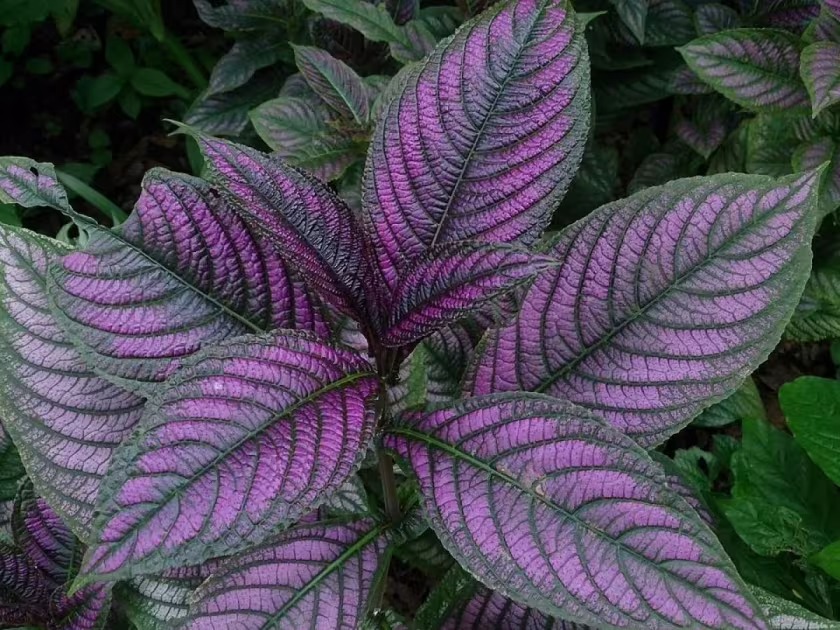
Description
Growing requirements
Strobilanthes albostriata is a striking ornamental species belonging to the Acanthaceae family. This perennial is highly prized by collectors for its distinct foliage, which features prominent white striations along the leaf veins, creating a beautiful contrast against the green background.
Native to tropical regions of Asia, this plant flourishes in environments characterized by high humidity and consistent, warm temperatures. In cultivation, it serves as an excellent specimen for greenhouses, terrariums, or well-lit indoor spaces where a tropical microclimate can be replicated.
The soil for Strobilanthes albostriata must be rich in organic matter and possess excellent drainage capabilities. A mixture comprising peat moss, leaf mould, and horticultural perlite is recommended to ensure that the roots receive sufficient aeration while retaining necessary moisture.
Regarding light, the plant prefers bright, indirect light. Direct sunlight should be strictly avoided, as it can cause scorching of the leaves and loss of their characteristic variegation. Placing the plant near a north or east-facing window is usually ideal for its growth.
Adequate watering is essential for maintaining the health of this species. The substrate should be kept consistently moist but never waterlogged. Providing a humid environment is equally important, as dry air can lead to crispy leaf margins and leaf drop, significantly detracting from its aesthetic appeal.
Main diseases and pests
Spider mites are the most common pest affecting Strobilanthes albostriata, particularly in indoor environments with low humidity. Regular misting and maintaining proper ambient moisture levels are effective preventative measures against these microscopic threats.
Mealybugs and whiteflies may also pose a challenge, especially if the plant is kept in poor ventilation conditions. Should an infestation occur, it is advised to use insecticidal soap or neem oil treatments, applying them carefully to avoid damaging the sensitive foliage.
Root rot, caused by overwatering and insufficient drainage, is a significant threat that can lead to rapid plant decline. Ensuring that pots have adequate drainage holes and avoiding standing water in the saucer is crucial for the long-term survival of the plant.
Fungal leaf spots can develop if water accumulates on the leaves for extended periods. It is best to water the soil directly rather than overhead, and to ensure there is good air circulation around the plants to allow foliage to dry appropriately after accidental wetting.
Systematic monitoring of the plant's health allows for the early detection of issues. By maintaining a clean environment and removing any dead or decaying plant matter, the risk of pathogen buildup and pest outbreaks is significantly reduced, ensuring the plant remains vibrant.