
Strobilanthes scaber
Strobilanthes scaber
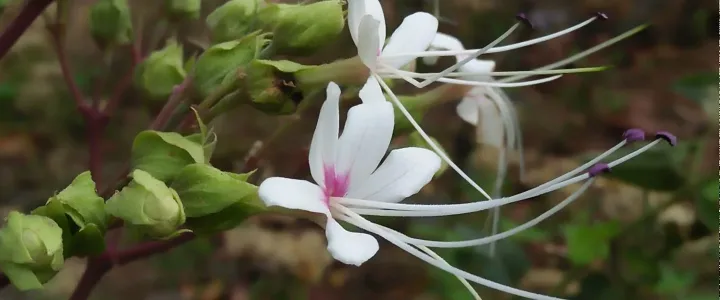
Description
Growing requirements
Strobilanthes scaber is a perennial herbaceous plant belonging to the Acanthaceae family. It is native to the tropical regions of Southeast Asia, where it thrives in humid and shaded forest environments.
The botanical structure of this plant features distinctive rough-textured stems and opposite leaves. Its physiological traits are adapted to a high-humidity environment, making it a specialized crop for greenhouse or controlled tropical conditions.
To cultivate Strobilanthes scaber effectively, one must ensure a temperature range of 20°C to 28°C and protect it from direct, harsh sunlight. The soil must be well-draining, rich in organic matter, and capable of retaining moisture without becoming waterlogged.
Agricultural practices involve regular fertilization with organic compost during the active growing season. Adequate spacing between plants is required to promote airflow and prevent the development of microclimates conducive to pathogens.
Economically, the species is valued for its potential in the pharmaceutical industry due to the presence of secondary metabolites. It is also grown in botanical collections and specialized nurseries for its unique ornamental and biological characteristics.
Main diseases and pests
The primary threats to Strobilanthes scaber are fungal pathogens such as root rot and leaf spots, which thrive when soil moisture is poorly managed or humidity levels remain static for too long.
Common pests include spider mites and mealybugs, which are particularly problematic in dry greenhouse settings. These pests cause significant damage by feeding on cell sap, leading to stunted development and leaf drop.
Disease management requires rigorous hygiene, including the removal of dead leaves and ensuring that the substrate is properly aerated. Applying fungicides should only be done as a corrective measure if cultural controls fail.
Integrated Pest Management (IPM) strategies, including the introduction of natural predators, are recommended to control insect infestations. Chemical interventions must be carefully selected to avoid phytotoxicity.
Consistent monitoring of the foliage and root zone is essential for the long-term health of the plant. Early detection of stress symptoms allows for quick adjustments in the watering and light regime.