
Strobilanthes rankanensis
Strobilanthes rankanensis
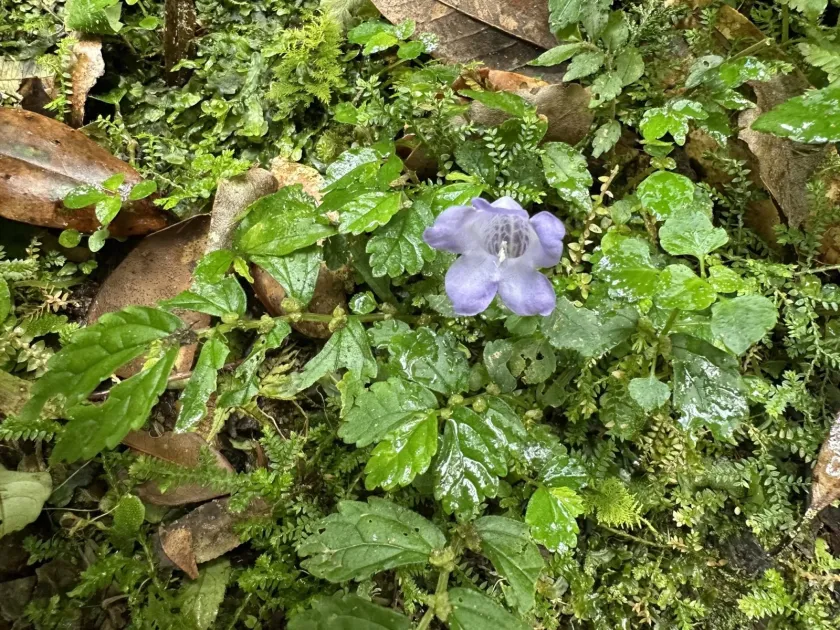
Description
Growing requirements
Strobilanthes rankanensis is an ornamental perennial subshrub belonging to the Acanthaceae family. Originally native to the subtropical regions of Taiwan, this species is well-adapted to humid forest understories, making it a popular choice for shade-loving plant enthusiasts.
The plant thrives in stable environmental conditions with temperatures ranging from 18°C to 25°C. Exposure to intense direct sunlight should be avoided, as it can cause significant leaf scorch, diminishing the aesthetic value of the foliage.
Soil composition must be rich in organic matter and well-draining to mimic the natural forest floor. A mixture of peat, perlite, and bark is often recommended to ensure proper aeration and moisture retention without risking root suffocation.
Standard care involves consistent watering practices, ensuring the soil remains moist but never waterlogged. Fertilization with a balanced liquid fertilizer during the growing season supports healthy leaf development and maintains structural integrity.
In terms of хозяйственного (utilitarian) use, it serves primarily as an ornamental specimen in botanical collections and residential interiors. Its ability to grow in low-light conditions makes it a versatile component for indoor plant displays.
Main diseases and pests
Spider mites represent a major threat, particularly in environments with low air humidity. These pests thrive in dry conditions and can quickly defoliate the plant if not controlled with systemic acaricides or increased moisture.
Whiteflies are another common concern that requires proactive monitoring. Using sticky yellow traps and insecticidal soap sprays are effective methods to maintain manageable pest levels without damaging the delicate foliage of the plant.
Root rot caused by Phytophthora species is often the result of poor drainage or overwatering. Maintaining a strict watering schedule and using sterile, well-draining potting media is critical for long-term survival of the specimen.
Fungal leaf spots can develop when air circulation is inadequate, especially in crowded greenhouse conditions. Ensuring good spacing between plants and using preventive fungicides can significantly reduce the risk of such outbreaks.
Regular inspection of leaf undersides is recommended as a standard diagnostic practice. Early identification of any signs of distress or infestation is essential for successful management and recovery of the plant.