
Strobilanthes oligantha
Strobilanthes oligantha
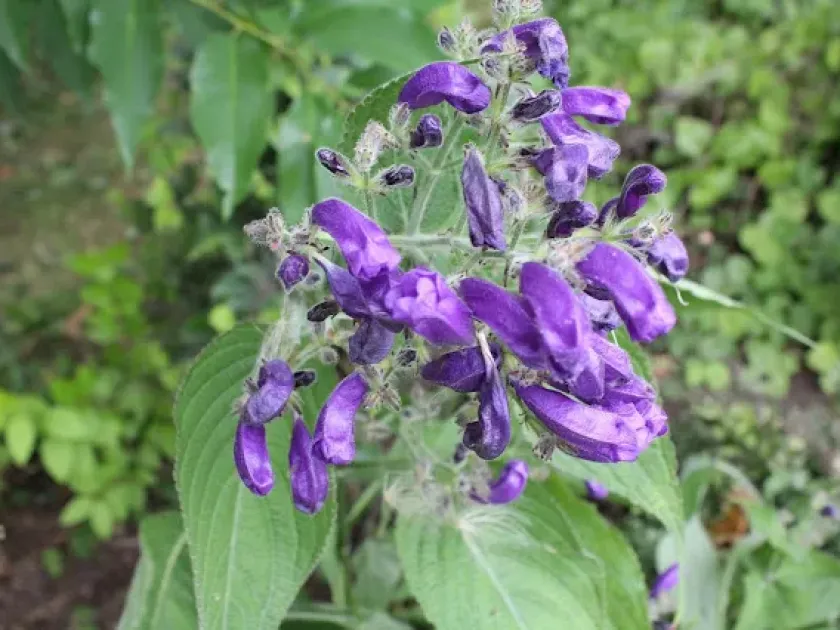
Description
Growing requirements
Strobilanthes oligantha is a unique member of the Acanthaceae family, known for its distinct botanical characteristics and tropical origins. Native to the humid forests of Southeast Asia, this plant thrives in environments that mimic its natural habitat.
The climate requirements for this culture are strict: it demands consistently warm temperatures, ideally between 20°C and 25°C. The plant cannot tolerate frost, and even slight exposure to cold drafts can cause significant physiological stress and leaf drop.
Soil management is critical for the success of this crop. The ideal growing medium should be well-draining, rich in organic matter, and slightly acidic to neutral. High moisture levels must be maintained, but a balance is needed to prevent waterlogging.
Regarding light exposure, the plant prefers bright, filtered sunlight. Exposure to harsh, direct midday sun can result in leaf scorching, so providing artificial or natural shade during peak daylight hours is standard practice in cultivation.
For optimal growth, ensure consistent humidity levels throughout the growing season. If cultivated in environments with low ambient humidity, periodic misting or the use of automated humidification systems is highly recommended for healthy foliage development.
Main diseases and pests
Managing pests is an essential part of maintaining Strobilanthes oligantha. The most common invaders are spider mites, which thrive in dry conditions and can cause severe damage to the leaf surfaces if left unchecked.
Mealybugs are another persistent threat. These insects often cluster in the leaf axils and along the stems, feeding on plant sap. Early detection and treatment with insecticidal soaps or systemic treatments are effective methods of control.
Fungal issues, particularly root rot, are usually the result of overwatering or poor soil aeration. To prevent these infections, growers must ensure that the substrate dries out slightly between waterings and that containers or beds have excellent drainage.
Whiteflies can also cause issues in crowded conditions. Monitoring the underside of leaves during regular inspections allows for early intervention, preventing the spread of the population across the entire crop.
Proactive cultural practices, such as maintaining good air circulation around the plants and avoiding overhead irrigation during cooler hours, play a vital role in preventing both fungal and insect-related problems.