
Japanese conehead
Strobilanthes japonica
Description
Growing requirements
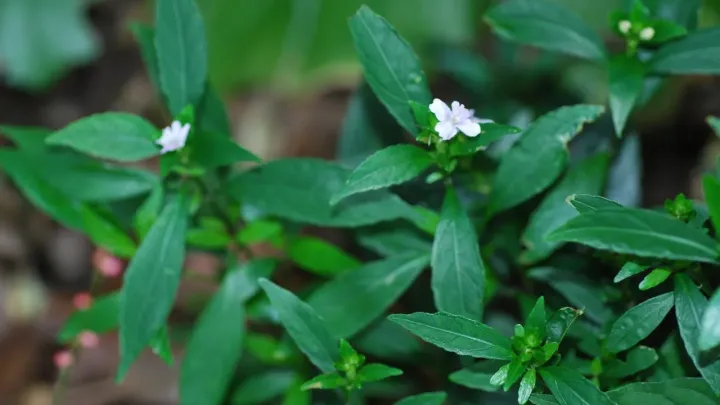
Japanese conehead (Strobilanthes japonica) is a perennial herbaceous plant belonging to the Acanthaceae family. It is native to the temperate regions of East Asia, primarily documented in Japan, where it typically thrives in humid, shaded forest understories.
The plant exhibits distinctive botanical traits, including opposite, serrated leaves and terminal spikes of bell-shaped flowers. Its blooming season typically peaks in late summer or autumn, providing an essential aesthetic value when other garden plants have already completed their cycle.
Regarding cultivation requirements, Strobilanthes japonica favors fertile, well-draining soil with a consistent moisture level. It is highly sensitive to intense, direct sunlight, which can lead to leaf chlorosis or desiccation; therefore, partial shade or dappled light is the optimal environment for successful growth.
Agricultural techniques involve regular maintenance such as mulching to preserve soil humidity and occasional fertilization with organic matter during the active growth phase. In cooler climates, the plant may require winter protection to prevent damage to the root system from freezing temperatures.
The primary use of this species is in ornamental horticulture and landscape architecture. Due to its shade tolerance, it is frequently utilized in forest-style gardens, woodland borders, and as a groundcover to add texture and subtle floral color to shaded outdoor spaces.
Main diseases and pests
The main threats to the plant include various fungal infections, such as root rot and powdery mildew, which are often triggered by poor ventilation and excessive soil moisture. Proper plant spacing is essential to encourage air circulation.
Common pests include spider mites and aphids, which are particularly problematic in dry or overly warm environments. Monitoring foliage for signs of infestation and applying targeted, low-toxicity pest control products can effectively manage and prevent significant plant stress.