
Strobilanthes hamiltoniana
Strobilanthes hamiltoniana
Description
Growing requirements
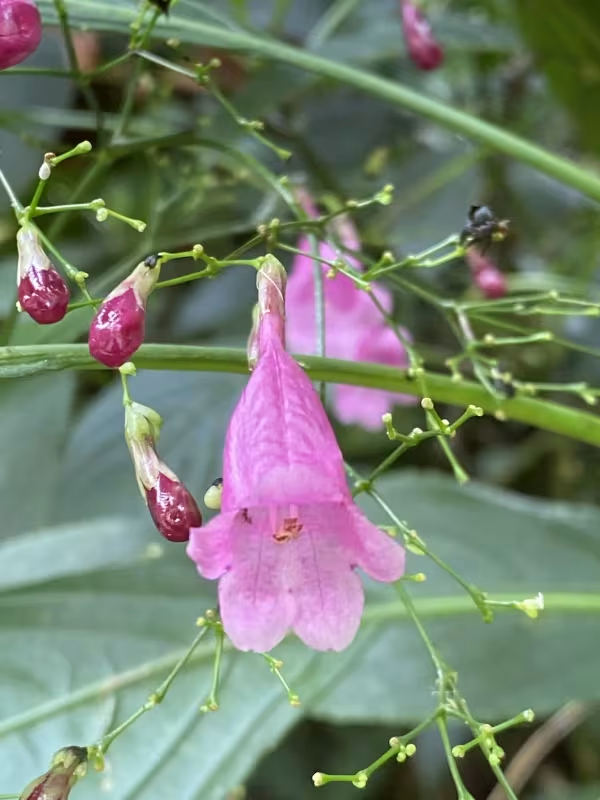
Strobilanthes hamiltoniana is a perennial semi-shrub belonging to the Acanthaceae family. Native to the mountainous regions of Southeast Asia, this plant has gained attention for its distinct foliage and resilient growth habit in suitable microclimates.
Botanically, it is recognized for its segmented stems and attractive, textured leaves. As a member of the Acanthaceae family, it thrives in environments that mimic the humid, dappled light conditions of a forest understory, making it ideal for shaded garden spots or greenhouses.
To achieve optimal health, the plant requires a nutrient-rich, well-draining soil medium. Maintaining consistent soil moisture is crucial, as the plant reacts poorly to prolonged periods of dehydration, which often results in wilting and the loss of lower leaves.
Regarding climate, this species prefers temperatures between 18°C and 26°C. It is intolerant of frost; therefore, in temperate zones, it must be protected or brought indoors before the first autumn cold snaps to ensure survival throughout the winter season.
General care involves periodic pruning to maintain a compact, bushy shape and regular fertilization during the growing season. A balanced liquid fertilizer applied bi-weekly during spring and summer supports vigorous leaf development and overall plant structure.
Main diseases and pests
The primary pests affecting this plant include spider mites, aphids, and mealybugs, which are particularly prevalent in lower humidity conditions. Regular misting and inspection of the plant surfaces are recommended to prevent infestations from spreading.
Root rot, often caused by overwatering or compacted soil, represents the most significant pathological risk. Ensuring the soil has adequate porosity and providing efficient drainage prevents the development of fungal pathogens that attack the root system.