
Yellow foxglove
Digitalis lutea L.
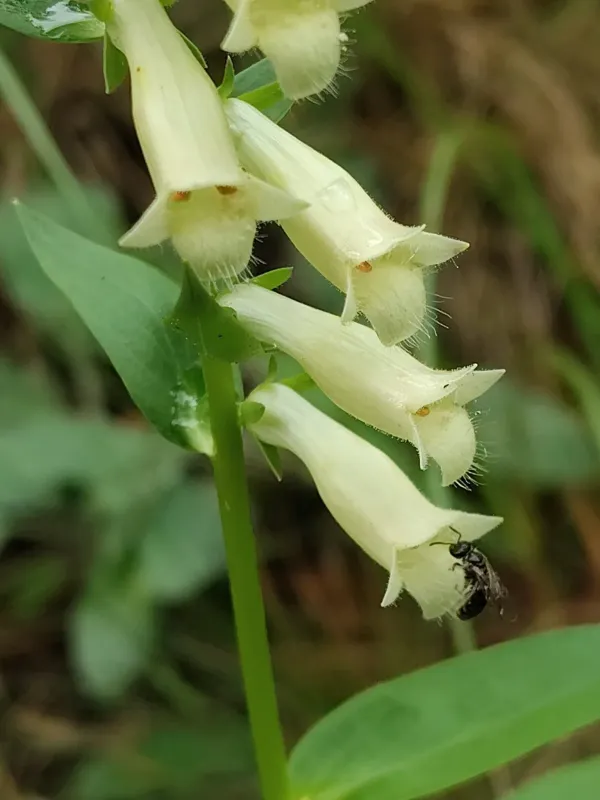
Description
Sowing dates
Yellow foxglove is typically propagated by seeds, which are exceptionally small and require precise handling during the sowing process.
For nursery production, seeds are sown in trays filled with a sterile growing medium in early spring, ensuring they are not covered by soil.
Direct seeding in the field is possible in late spring once the soil temperature is sufficient to support germination and seedling establishment.
Seedlings need protection from intense midday sun and constant moisture to develop a strong root system before they are transplanted to the final site.
Proper spacing is crucial when transplanting, typically allowing 30-40 centimeters between individual plants to prevent competition and promote airflow.
Growing requirements
Digitalis lutea is a member of the Plantaginaceae family, originating from temperate regions of Europe and adapted to forest margins and clearings.
The crop performs best in well-drained, fertile, loamy soils that provide sufficient nutrient levels while maintaining a consistent level of moisture.
While tolerant of partial shade, the plant benefits from bright indirect light, which encourages more vigorous growth and denser foliage development.
Climate requirements include mild temperature ranges without extreme drought, as the plant is sensitive to excessive heat and dry atmospheric conditions.
Cultural practices should emphasize consistent weed control, as this plant does not tolerate encroachment by invasive grass species or other weeds.
Main diseases and pests
The primary threats to yellow foxglove are pathogenic fungi, particularly those causing leaf spot and powdery mildew in humid environments.
Root rot is a significant concern in waterlogged conditions, making effective drainage systems a mandatory component of agricultural management.
Pests such as aphids and certain lepidopteran larvae can cause significant leaf damage, necessitating regular monitoring throughout the growing season.
Integrated pest management strategies should focus on thinning the crop density to improve air circulation and reduce the incidence of fungal spores.
Strict hygiene in the field, including the removal of infected plant debris, is necessary to prevent the buildup of soil-borne diseases year after year.
Harvesting
The harvesting of leaves is strictly timed to coincide with the flowering stage, when the concentration of medicinal glycosides is highest.
Leaves are collected individually or by trimming the stems, provided that the plant's structural integrity remains intact for potential future growth.
Immediate processing after harvest is essential; the leaves must be dried rapidly to prevent enzymatic degradation of active compounds.
Artificial drying at controlled temperatures between 50 and 60 degrees Celsius ensures that the final product retains its quality and potency.
Once dried, the crop is packed into moisture-proof storage containers and kept in a cool, dark environment until it is ready for pharmaceutical use.