
Sticky catchfly
Silene viscaria (L.) Borkh.
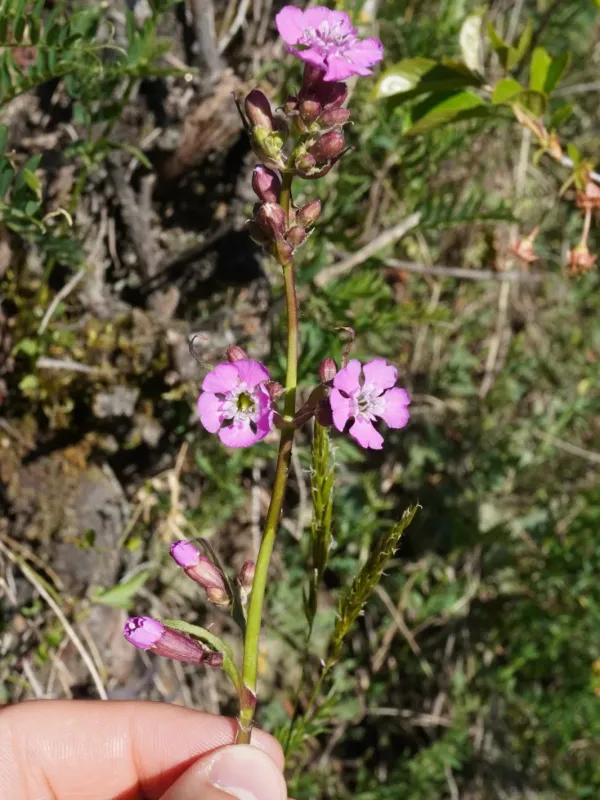
Description
Sowing dates
Sticky catchfly (lat. Silene viscaria) is a perennial herbaceous plant belonging to the Caryophyllaceae family. The crop is propagated primarily through seeds or by dividing the rootstock in spring or autumn.
Seeds are sown in open ground either before winter or in spring once the soil has warmed up. For greenhouse production, seeds are sown in March to ensure optimal germination at +18...+20 degrees Celsius.
Seed stratification is recommended to improve germination rates. Seeds should be sown at a shallow depth of 0.5–1 centimeter, as they require light to stimulate the development of seedlings.
Seedlings typically emerge within 2–3 weeks, at which point they should be thinned or transplanted to their final location. The planting density is approximately 9–12 plants per square meter for optimal growth.
The plant responds well to regular watering during the initial establishment phase, but once the root system is fully developed, it becomes drought-resistant and tolerates dry conditions well.
Growing requirements
The crop prefers sunny locations with light, well-drained soil. It thrives in sandy, loamy, and sandy-loam soils, provided they have a neutral or slightly acidic pH level.
Proper drainage is crucial for development, as waterlogging in the root zone can lead to root rot and significant plant loss during wet seasons or winter dormancy.
Sticky catchfly is characterized by high winter hardiness and can withstand cold climates typical of northern regions without requiring special protection or covers.
Agricultural maintenance involves regular soil aeration through hoeing, especially after heavy rains, to prevent surface compaction and ensure oxygen reaches the root system.
Applying balanced mineral fertilizers at the beginning of the growing season increases biomass production and enhances the vibrancy of the flowering display for decorative purposes.
Yield
The economic use of Sticky catchfly includes ornamental landscaping, garden design, and the harvesting of plant raw materials rich in phytoecdysteroids and saponins.
Yield depends on planting density and soil fertility. Under plantation conditions, a significant volume of biomass can be harvested for pharmaceutical processing.
Harvesting should occur during full bloom, as this period corresponds to the highest concentration of bioactive compounds in the stems and leaves, ideal for subsequent drying.
In ornamental settings, the yield is measured by the duration of the blooming period, which lasts 30–40 days, making it an excellent nectar source for pollinators.
Silene viscaria is considered a promising crop for the bio-pharmaceutical industry due to its potential in producing natural growth stimulants for other agricultural applications.
Main diseases and pests
Common threats include fungal diseases such as leaf spots and rust, which occur in environments with poor air circulation and excessive humidity levels.
Pests that may cause significant damage include aphids and various caterpillar species that feed on the foliage and flower buds during the peak growing season.
Preventative strategies include crop rotation and maintaining proper spacing between plants to reduce the risk of infection and inhibit the spread of fungal pathogens.
Management involves applying fungicides as a preventative measure and utilizing biological insecticides if pest infestations are detected during regular field monitoring.
Weed management is an essential agricultural practice, as weeds compete for essential nutrients and can act as vectors for various plant viruses and diseases.
Harvesting
Harvesting plant material is carried out in dry weather by cutting the stems 5–10 centimeters above the soil surface, allowing for potential regrowth in subsequent cycles.
The harvested material must be dried immediately in well-ventilated areas or controlled dryers at a temperature not exceeding 45 degrees to preserve the chemical composition.
Post-harvest care, including moderate fertilization and irrigation, is necessary to prepare the root system for winter survival and ensure vigorous growth for the next year.
Seed collection is performed as the seed pods turn brown, but before they burst, to avoid excessive self-seeding, which can lead to overcrowding in the planting area.
Seeds should be stored in dry, cool conditions to maintain viability for 2–3 years, ensuring consistent results for future planting seasons.