
Red campion
Silene dioica (L.) Clairv.
Description
Growing requirements
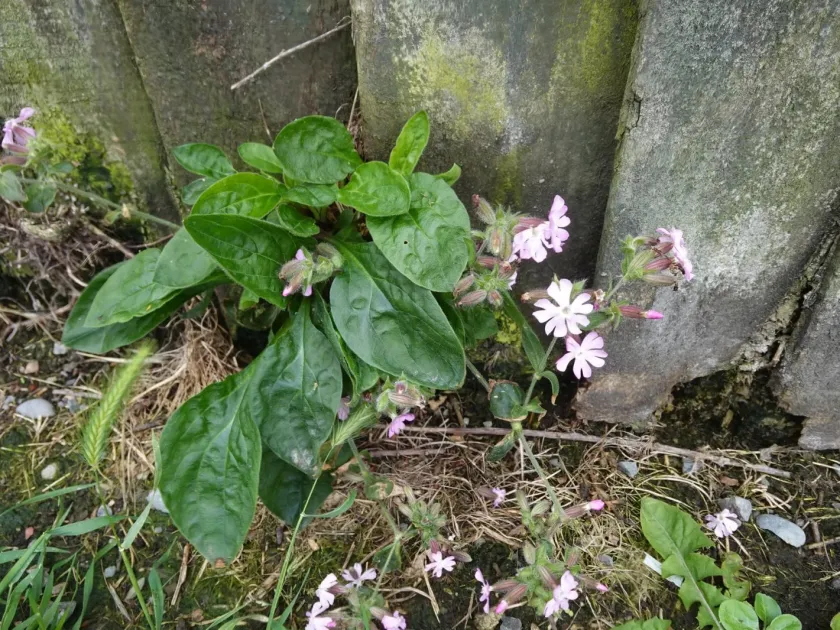
Red campion (Silene dioica) is a herbaceous perennial plant belonging to the Caryophyllaceae family. It is native to temperate regions of Europe and is commonly found in woodlands, hedgerows, and damp grassland areas.
The plant features hairy, upright stems that grow to a height of 60 to 90 centimeters. Its leaves are opposite, ovate or lanceolate, providing a dense green foliage that serves as a base for its vibrant pink-red flowers.
The cultivation of Silene dioica requires a site with partial shade, as the plant performs best when protected from extreme afternoon sun. Consistent moisture levels are essential for healthy vegetative growth and prolonged blooming.
Regarding soil preferences, the plant thrives in fertile, well-draining soils with a neutral to slightly acidic pH. Incorporating organic matter, such as compost, significantly improves the establishment and vigour of the root system.
In addition to its decorative role in landscape design and wildflower meadows, the species is valued for its ecological contribution, serving as a reliable nectar source for various native pollinators and butterflies.
Main diseases and pests
Powdery mildew is a common fungal disease affecting red campion, particularly in environments with poor air circulation and high humidity levels during the mid-summer period.
Pests such as aphids and leaf-eating beetles can cause significant damage to the floral displays and general plant health if left unchecked during the peak growth months.
To maintain plant health, it is essential to practice good hygiene in the field, including the removal of dead foliage at the end of the season to prevent the overwintering of fungal spores.
Integrated pest management strategies, such as attracting predatory insects to the plot, are highly effective in keeping pest populations below the economic injury level.
If chemical intervention is necessary, targeted treatments should be applied during the early stages of infestation to minimize collateral damage to the surrounding beneficial insect population.