
Arkwright's Campion
Silene x arkwrightii (Heydt) hort., nom. inval.
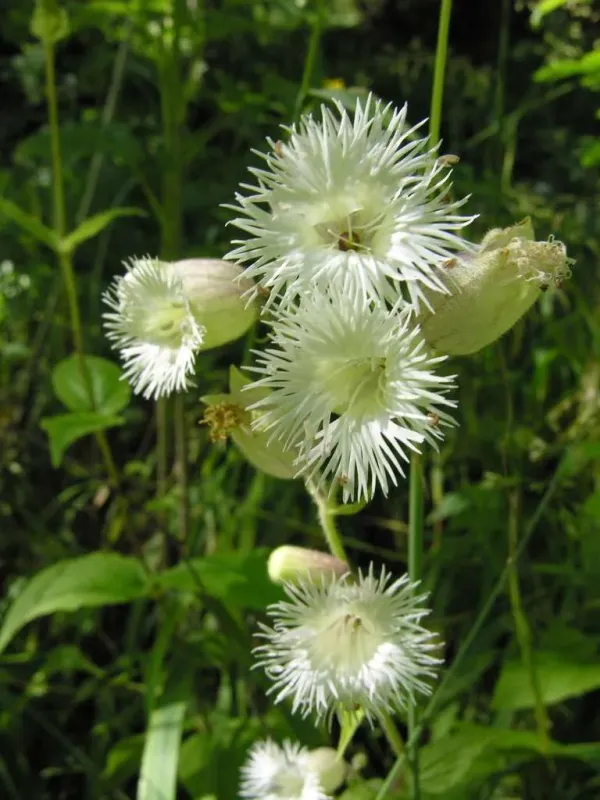
Description
Sowing dates
Sowing seeds of Arkwright's Campion is best performed during early spring or late autumn when the soil temperature remains moderate for germination.
For container-grown seedlings, seeds should be surface-sown on a moist, well-draining substrate and placed in a bright, temperature-controlled environment.
Light is essential for the germination process, so seeds should not be buried deeply, but rather pressed gently into the growing medium.
Seedlings should be thinned or transplanted once they have developed at least two or three true leaves to encourage robust root development.
Acclimatization of indoor-grown plants is necessary before moving them permanently to outdoor flower beds to prevent transplant shock.
Growing requirements
This species thrives in locations with full sun exposure, although it displays good resilience in areas with dappled afternoon shade in hotter climates.
The preferred soil type is fertile, well-drained loam; it performs poorly in compacted clay or waterlogged soils which can induce root rot.
Consistent moisture levels are critical during the establishment phase, but once mature, the plant shows a degree of drought tolerance.
Regular deadheading of spent flowers helps to extend the bloom duration and directs the plant's energy toward foliage and root growth.
For winter protection, especially in cooler zones, applying a layer of organic mulch around the base helps stabilize soil temperature and prevent frost heaving.
Main diseases and pests
Fungal pathogens such as mildew are the most common issue, typically occurring when plants are overcrowded and airflow is insufficient.
Aphids can be problematic during the active growing season, clustering on soft stem tips and potentially spreading viral infections between plants.
Slugs and snails may occasionally feed on young, tender growth during damp spring weather, necessitating physical barriers or organic pest control methods.
Root rot remains a major threat in poorly drained soils, requiring immediate correction of site conditions or soil amendment with grit and sand.
Regular inspection of the foliage for early signs of discoloration or damage is essential for maintaining the health and vigor of the perennial display.