
Fire pink
Silene virginica L.
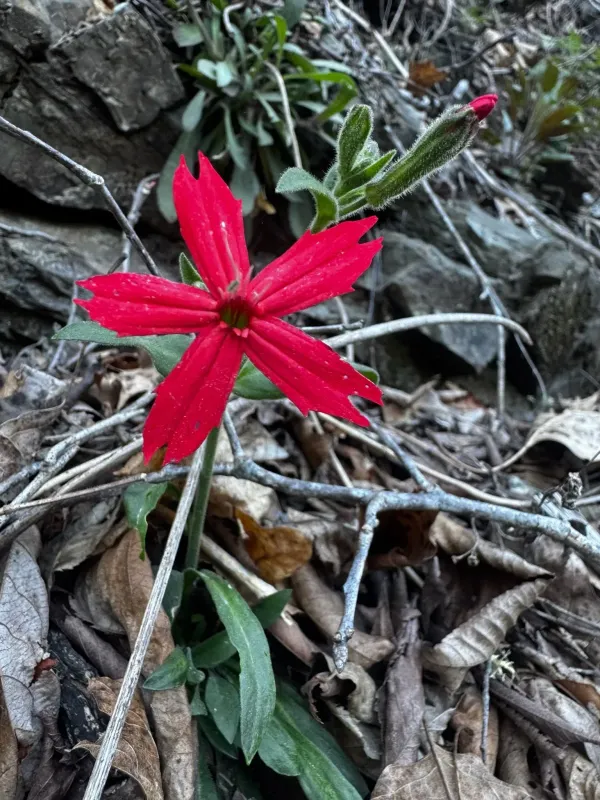
Description
Sowing dates
The sowing of Silene virginica seeds is most effective when performed in the late autumn, allowing for a natural cold stratification process. This exposure to winter temperatures is essential for breaking seed dormancy and ensuring uniform germination in spring.
If spring sowing is planned, seeds must be artificially stratified by keeping them in a moist, cold environment, such as a refrigerator, for 4 to 8 weeks. Without this pretreatment, germination rates are typically low and sporadic.
Seeds are extremely small and should be sown on the surface of the soil. Light pressure is sufficient to ensure good soil-to-seed contact, as the seeds require light to trigger the germination process.
Using a well-draining, peat-free seed starter mix helps prevent "damping-off" disease in seedlings. Maintain consistent moisture levels in the tray, covering it with a clear plastic dome to sustain humidity during the initial growth stages.
Once seedlings develop their second set of true leaves, they can be transplanted into individual pots. Acclimatizing the young plants to outdoor conditions gradually through a hardening-off period is recommended before permanent planting.
Growing requirements
Silene virginica, commonly known as fire pink, is a member of the Caryophyllaceae family. It is a perennial wildflower characterized by its brilliant red, tubular flowers that attract pollinators like hummingbirds and butterflies.
The plant thrives in rocky, well-draining soils with a slightly acidic to neutral pH. It is native to open woodland environments, which indicates its preference for filtered sunlight rather than intense, direct midday sun.
Water management is critical; while the plant enjoys consistent moisture, it cannot tolerate waterlogged roots. Selecting a site on a slope or a raised bed can significantly improve drainage and ensure long-term plant health.
Fertilization should be handled with caution. The plant is adapted to nutrient-poor forest floors, so excessive fertilizer can lead to weak, leggy growth rather than vibrant, sturdy stems.
Maintenance involves routine weeding, as fire pink does not compete well with vigorous invasive species. Applying a thin layer of organic mulch can help retain soil moisture and suppress weed growth without smothering the crowns.
Main diseases and pests
Fungal diseases such as powdery mildew are common, particularly when humidity is high and air circulation is restricted. Managing spacing between plants is the most effective preventative measure against these infections.
Root rot, caused by poor soil drainage or excessive irrigation, is a major threat to the survival of the plant. Ensuring the planting site has excellent drainage is more effective than any chemical treatment once the rot has set in.
Herbivory by slugs and snails can be devastating for young, succulent growth during the early spring months. These pests prefer the moist, shady conditions that fire pink also enjoys, necessitating vigilant control.
Integrated pest management, including the use of physical barriers like crushed eggshells or iron phosphate baits, can effectively manage slug populations without harming the local ecosystem or beneficial pollinators.
Regular inspection of the foliage is essential to detect early signs of insect infestation or disease. Swift intervention at the first sign of trouble ensures the continued health and aesthetic appeal of the perennial display.