
Sleepy silene
Silene antirrhina L.
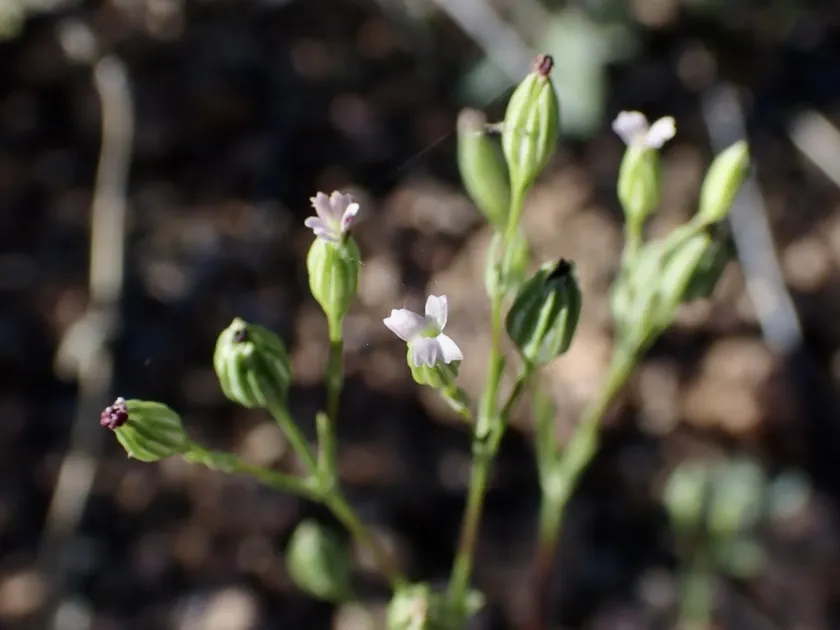
Description
Sowing dates
Sleepy Silene (Silene antirrhina) is an annual herbaceous plant belonging to the Caryophyllaceae family. In its natural habitat, germination occurs in early spring as soil temperatures rise, triggering the biological cycle of the species.
When cultivating or managing this plant, it is crucial to recognize its rapid development from seedling stage. Seeds generally require light to germinate effectively, which dictates the shallow sowing depth required for successful establishment.
The plant demonstrates a strong tendency toward self-seeding, which allows it to colonize new areas efficiently. This behavior is a key feature of its lifecycle, often leading to its presence as an opportunistic species in various fields.
In agricultural settings, the timing of germination is often synchronized with other cool-season crops. Monitoring the emergence period is essential for those looking to control its spread or harvest it for specific use cases.
Early spring planting or natural emergence ensures that the plants develop robust root systems before the onset of summer drought, allowing them to compete effectively for available water and nutrients.
Growing requirements
Sleepy Silene thrives in full sun and well-drained soil. It is particularly well-adapted to sandy or rocky substrates where nutrient availability is moderate, as it does not require high-fertility conditions to complete its lifecycle.
The species prefers a slightly acidic to neutral soil pH. Its ability to withstand drought makes it a hardy plant in temperate regions, where it can survive periods of low rainfall that might otherwise inhibit more demanding species.
Climatic requirements are relatively flexible, as the plant is native to North America and has successfully adapted to diverse environments. It favors open areas where competition from taller, more aggressive vegetation is limited.
Effective management involves maintaining adequate spacing to ensure good air circulation. Excessive humidity and poor ventilation are detrimental to the plant's health, often leading to increased disease pressure.
While the plant is hardy, it benefits from moderate nutrient management. Avoiding excessive nitrogen application helps prevent weak, leggy growth and maintains the plant's natural structural integrity throughout the growing season.
Main diseases and pests
The primary threats to Sleepy Silene include various fungal pathogens that flourish in high-humidity conditions. Powdery mildew is a frequent concern, appearing as a white dusty coating on leaves, which can reduce photosynthetic capacity.
Pests such as aphids pose a significant risk, as they colonize the soft tissue of new shoots and flower stalks. Their feeding habits can lead to stunted growth and the transmission of secondary viral infections.
Soil-borne insects and larvae can damage the root system, particularly in younger plants. Proper soil preparation and monitoring can help mitigate these threats during the critical early stages of development.
Chemical control, if necessary, should be applied with precision to minimize the impact on the local ecosystem. Integrated Pest Management (IPM) techniques are recommended to maintain a balance between control and biodiversity.
Sanitation practices, such as the removal of infected plant debris and the use of certified, disease-free seed, are the most effective ways to prevent the cycle of infection and ensure a healthy crop population.