
Alpine catchfly
Silene suecica (hort. Lodd.) Greuter & Burdet
Description
Growing requirements
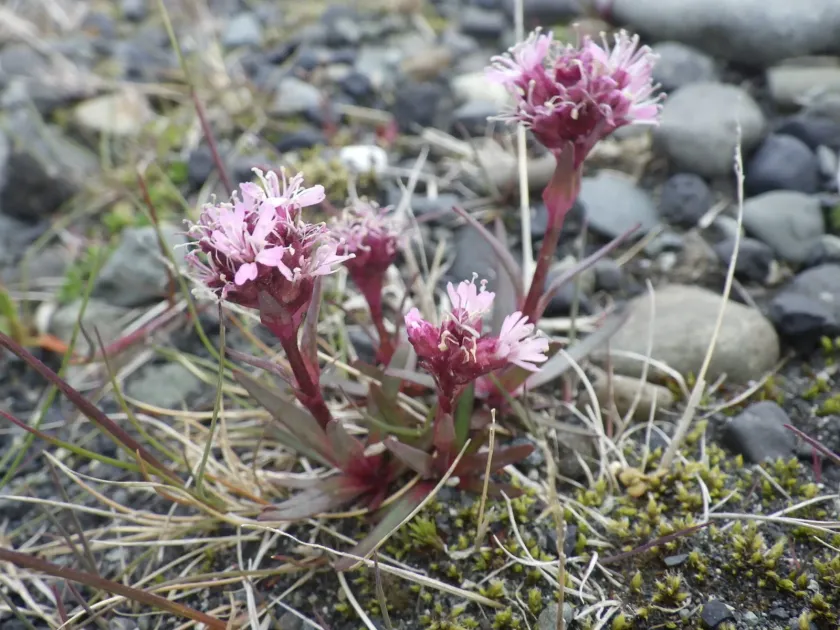
The Alpine catchfly (Silene suecica), formerly known as Lychnis alpina, is a perennial flowering plant belonging to the Caryophyllaceae family. It is native to the Arctic and high-altitude alpine regions of Europe, where it thrives in exposed, rocky habitats.
Botanically, the plant forms a basal rosette of narrow, lanceolate leaves, from which slender, erect stems emerge in early summer. These stems produce small but vibrant clusters of deep pink or magenta flowers, creating a significant decorative impact in rock gardens.
Cultivation of Silene suecica requires specific soil conditions. It demands well-drained, gritty, or sandy soil that mimics its natural mountainous environment. It performs poorly in heavy, waterlogged soils which can lead to crown rot and winter kill.
This species is exceptionally cold-hardy, capable of surviving harsh winters provided that the site is well-drained. It requires a position in full sun to partial shade, ensuring that the foliage stays dry to prevent fungal growth during humid periods.
Agricultural management is relatively simple: minimal fertilization is needed, as excessive nutrients can result in weak, spindly growth. Deadheading spent flowers can encourage a tidy appearance and prevent the plant from wasting energy on seed production.
Main diseases and pests
Root rot remains the primary threat to the Alpine catchfly in gardens with poor drainage. Proper site selection and the incorporation of gravel or sand into the planting hole are the best ways to mitigate this risk.
Aphids can occasionally cluster on the tender tips of the stems, causing stunted growth. Gardeners can manage these pests by using horticultural soap sprays or by encouraging natural predators like ladybugs.
Powdery mildew may occur if the plants are crowded or if air circulation is insufficient. Ensuring proper spacing between individual plants and avoiding overhead watering helps to maintain foliage health.
Leaf spot fungi can affect the plant during prolonged wet weather. If symptoms appear, it is recommended to remove infected leaves immediately and improve the ventilation around the plant to dry out the soil surface.
Managing the surrounding area is crucial; weed control prevents competition for nutrients and ensures that the plant has access to sunlight and air. A clean, well-mulched or graveled surrounding helps reduce the incidence of soil-borne pathogens.