
Ragged-robin
Silene flos-cuculi (L.) Greuter & Burdet
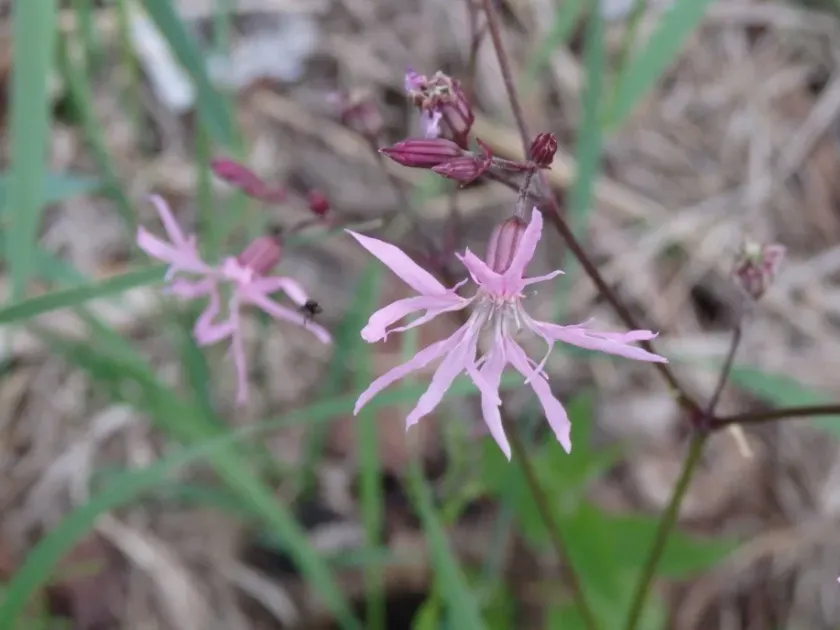
Description
Sowing dates
Ragged-robin is propagated through seeds, which require stratification for optimal germination. Sowing in late autumn allows the seeds to naturally chill during winter months.
Spring sowing is also possible but requires pre-treatment of seeds in a refrigerator. The seeds should be sown shallowly in moist soil and lightly covered with compost or fine sand.
Seedlings develop slowly, establishing a basal rosette in the first growing season. Consistent soil moisture must be maintained during the initial stages to prevent the delicate roots from drying out.
Once established, the plants can be thinned to an appropriate spacing to ensure good air circulation. Propagation by division of mature clumps is also a viable method to increase stock in the spring.
The best time to plant out seedlings into their permanent position is during a cool, damp period to allow them to settle in without heat stress.
Growing requirements
Belonging to the Caryophyllaceae family, Silene flos-cuculi is a moisture-loving perennial. It thrives best in wetlands, damp pastures, and around garden ponds.
Soil requirements include high organic content and the ability to retain water. While it prefers heavy, moisture-retentive soils, it can adapt to lighter soils if irrigation is managed correctly.
The plant performs best in full sun but tolerates partial shade. In warmer regions, light afternoon shade is beneficial to prevent the foliage from wilting during the peak of summer.
Agrotechnical maintenance involves weeding to reduce competition for nutrients. Because the plant is often found in meadow habitats, it does not require intense fertilization.
A balanced, slow-release fertilizer can be applied in early spring. However, it is essential not to over-fertilize, as this may lead to excessive growth and weak stems that require support.
Main diseases and pests
Diseases such as rust and fungal leaf spots are common if the plants are situated in areas with poor airflow. Maintaining space between individual plants is the best preventative strategy.
Pests including aphids can infest the flower buds, distorting their appearance. Monitoring the plants during the early flowering stage is crucial for early intervention.
Slugs and snails can cause significant damage to young leaves during spring. Using organic barriers or physical traps is recommended for control in garden settings.
Root rot is a potential risk if the soil becomes waterlogged in winter. Ensuring the drainage is adequate even in wet-loving plants is important for long-term survival.
General hygiene, such as clearing debris from around the base of the plant in late autumn, helps reduce the overwintering of pathogens and harmful insects.