
Stephania venosa
Stephania venosa
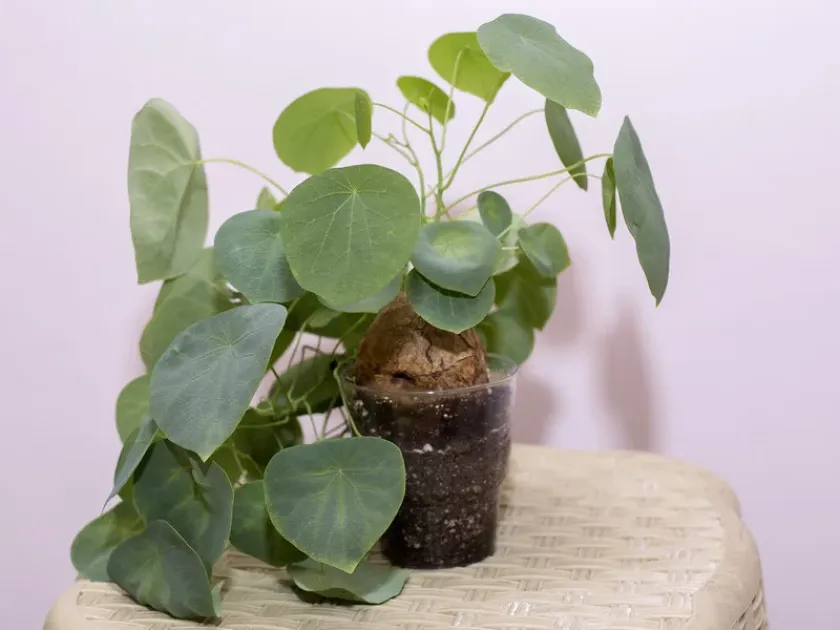
Description
Sowing dates
Propagation of Stephania venosa is primarily achieved through seeds. Seeds require scarification and soaking in warm water to break dormancy and ensure successful germination.
Sowing should be performed in a well-draining substrate mix, preferably composed of perlite, pumice, and a small amount of peat to provide necessary aeration for the developing caudex.
A constant temperature range of 25–28 degrees Celsius is crucial for efficient germination. The soil should remain slightly moist but never waterlogged to prevent fungal issues.
Once seedlings emerge, they need bright, filtered light and protection from sudden temperature drops, which can severely shock the young plants in their initial growth stages.
As a member of the Menispermaceae family, the plant develops a distinct woody tuber (caudex) early on, which serves as a vital energy reservoir for its long-term survival.
Growing requirements
Stephania venosa is native to the tropical regions of Southeast Asia. It thrives in environments that provide consistent warmth and a distinct transition between wet and dry seasons.
The soil requirement is stringent: high permeability is non-negotiable. Using a commercial succulent mix amended with extra inorganic grit is recommended to ensure the roots do not rot.
Light levels should be high but indirect. While the plant can tolerate some morning sun, intense midday exposure often leads to leaf scorch, particularly in greenhouses.
Watering must strictly follow the plant's seasonal cycle. During the growing season, water when the substrate is mostly dry, but strictly cease watering when the plant enters dormancy and drops its leaves.
Adequate ventilation is essential to maintain plant health, as stagnant air can foster fungal pathogens that easily colonize the sensitive caudex tissue.
Main diseases and pests
The primary agronomic threat to Stephania venosa is root and caudex rot caused by overwatering or poorly aerated soil. Prevention through proper drainage is the most effective defense.
Pests like spider mites and mealybugs are the most common invaders. They often hide on the undersides of leaves or in the crevices of the tuber, requiring vigilant observation.
Systemic insecticides or neem oil-based sprays can be used for control. However, application must be cautious to avoid chemical stress on the delicate tuberous tissues.
Bacterial soft rot can occur if wounds on the caudex remain moist after repotting. It is standard practice to allow the roots and tuber to dry before watering again after handling.
Regular monitoring for discoloration on the caudex is necessary. Any soft or mushy spots should be addressed immediately by excising the infected tissue and allowing it to callous.
Harvesting
Harvesting for medicinal purposes focuses on the caudex, which contains high concentrations of alkaloids like stephanine, utilized in various pharmaceutical applications.
Extraction of the caudex is typically performed on mature plants, often requiring several years of cultivation to ensure the tuber has reached sufficient size and potency.
Post-harvest, the tubers are thoroughly cleaned, sliced, and dehydrated under controlled conditions to preserve the active chemical components for extraction or processing.
In addition to medicinal uses, there is a thriving market for the plant as a rare decorative specimen, where the aesthetic of the large, stone-like caudex is the primary value.
Sustainable harvesting practices are essential to manage the cultivation cycle, ensuring that the plant's natural growth rate is balanced with the commercial demand for its products.