
Stephania japonica
Stephania japonica
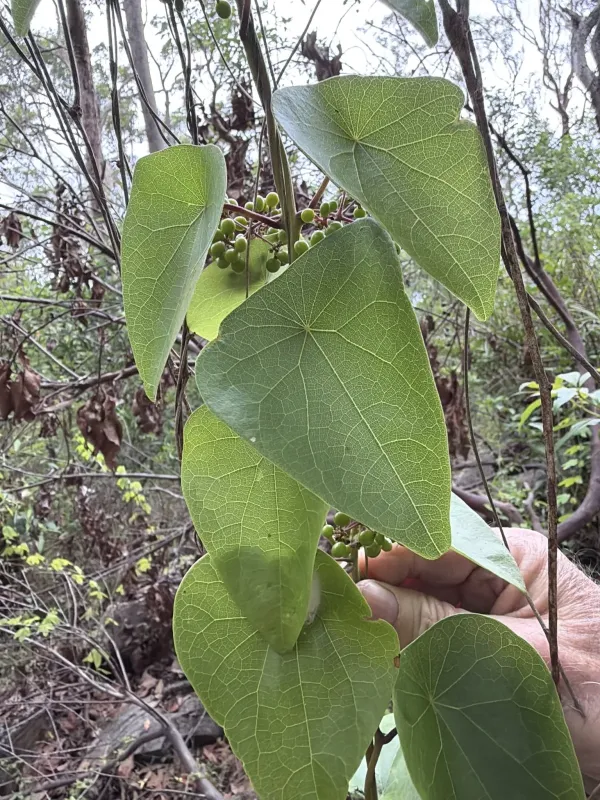
Description
Growing requirements
Stephania japonica is a perennial evergreen vine belonging to the Menispermaceae family. Native to tropical and subtropical regions, its distribution spans across East and Southeast Asia, as well as parts of Australia.
To thrive, the plant requires warm and humid conditions without significant temperature fluctuations. It is highly sensitive to frost, making it suitable for cultivation primarily in greenhouses, conservatories, or as an indoor ornamental plant in temperate zones.
The plant prefers fertile, well-draining soil with a neutral to slightly acidic pH. Providing a sturdy trellis or support system is essential, as the vines use tendrils to climb and can reach significant lengths under optimal conditions.
Light requirements involve bright but indirect sunlight. Direct noon sun can damage the foliage, so partial shade or filtered light is ideal for maintaining the health and vibrancy of the leaves.
Watering should be consistent but moderate, ensuring the soil remains moist without becoming waterlogged, as stagnant water poses a severe risk of root rot. Regular application of balanced fertilizers during the growing season supports vigorous development.
Main diseases and pests
Stephania japonica is susceptible to common greenhouse pests, including spider mites, scale insects, and mealybugs. Frequent inspection of the foliage and maintaining proper humidity levels are key strategies for early detection and prevention.
Fungal infections, often triggered by excessive soil moisture and poor airflow, represent the primary health threat. Conditions like root rot and powdery mildew require immediate corrective action, including watering adjustments and the use of appropriate fungicides.
A unique biological feature of this species is its content of specific alkaloids, which can serve as a natural deterrent to some herbivores, although this does not negate the need for integrated pest management.
In commercial or research settings, maintaining strict biosecurity measures regarding plant material is vital to prevent the spread of pathogens via pruning tools or shared equipment.
Proactive care involves disinfecting tools regularly and ensuring adequate spacing between plants to facilitate good air circulation, which helps prevent the development of moist, disease-prone environments.