
Stephania glandulifera
Stephania glandulifera
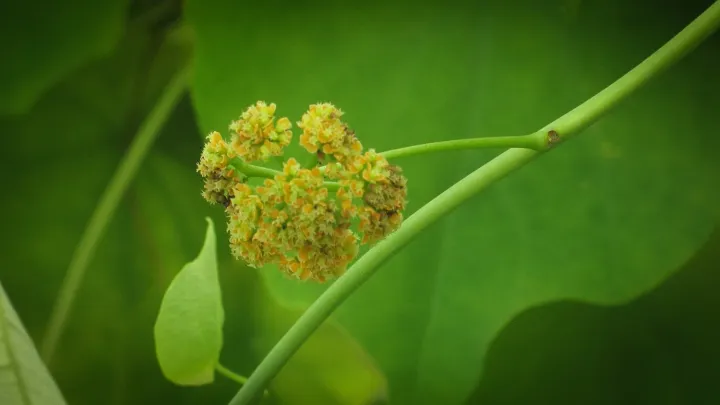
Description
Growing requirements
Stephania glandulifera is a tuberous perennial plant belonging to the Menispermaceae family. Known for its distinct swollen root system (caudex), it is native to the subtropical and tropical regions of Southeast Asia, thriving particularly in forested mountain slopes.
Regarding climate conditions, the plant prefers warm environments with high humidity. It requires indirect, bright light to develop its climbing vines effectively. In a controlled agricultural environment, maintaining a temperature between 20°C and 27°C is essential for healthy biomass production.
Soil requirements are strict: the substrate must be highly porous and well-draining. A mix of pumice, coarse sand, and organic potting soil is often used to ensure that the caudex does not remain in wet conditions, which is crucial for preventing rot.
Agricultural management includes a distinct dormancy cycle. During the colder months, the foliage typically dies back, and the plant requires minimal watering until new growth appears in the spring, signaling the start of the next vegetation season.
The primary use of Stephania glandulifera is in the pharmaceutical industry. Its tubers are harvested as a raw material for extracting various alkaloids, which serve as foundational components in traditional and modern medicinal applications.
Main diseases and pests
The most significant threat to this crop is root rot caused by poor soil drainage and over-irrigation. Once the tuberous root begins to decay, the plant often cannot be saved, making preventative care a priority for growers.
Pests, particularly mealybugs and spider mites, are frequent issues in greenhouse environments. These pests can cause significant damage to the leaves and stems, leading to stunted growth if left unmonitored for extended periods.
Integrated pest management strategies are recommended, focusing on maintaining proper air circulation and humidity levels to naturally discourage pest infestations. Early detection via regular plant health inspections is vital.
Fungal diseases can also occur during periods of low light and high humidity. Using high-quality, sterile substrates and avoiding overhead watering helps to mitigate the risk of pathogen spread among the plants.
For those cultivating the species for medicinal use, the application of harsh chemical pesticides should be avoided in favor of biological control methods to ensure the final product meets safety standards.