
Stephania abyssinica
Stephania abyssinica
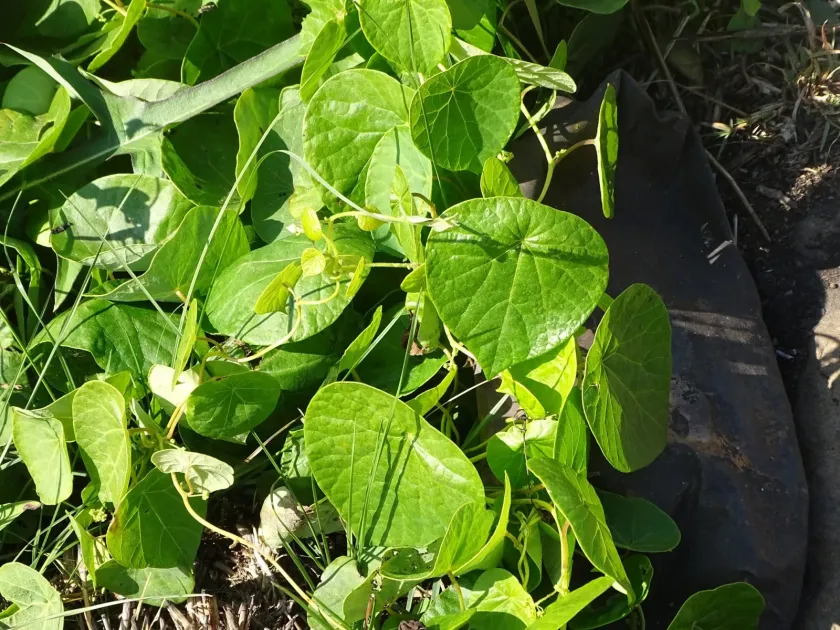
Description
Growing requirements
Stephania abyssinica is a perennial climbing plant belonging to the Menispermaceae family. As a vigorous vine, it requires vertical structures or support systems to thrive, allowing the foliage to maximize photosynthesis in its natural habitat.
The plant originates from the mountainous regions of Eastern Africa, particularly Ethiopia. It is well-adapted to specific tropical highland environments, often found in forests and bushlands where it benefits from moderate shade and consistent humidity levels.
Climatic requirements are strict: the plant requires a warm environment and cannot tolerate frost. Its physiological processes are optimized for tropical temperatures, and any significant drop below 10-12°C can severely damage the active growing parts of the vine.
For soil management, well-draining substrate is mandatory. The plant prefers loose, porous soil rich in organic matter. Waterlogging must be strictly avoided, as the root system, which acts as a storage organ, is highly prone to decay if soil oxygen levels are insufficient.
The economic value of Stephania abyssinica lies in its secondary metabolites. It is highly regarded for its potential in medicinal research, specifically for the extraction of alkaloids that possess diverse pharmacological properties and therapeutic benefits.
Main diseases and pests
Major phytopathological threats include root rot pathogens that thrive in damp, stagnant environments. These fungal diseases can compromise the root system, leading to systemic wilting and eventual plant death if not addressed promptly.
Insect pests, particularly spider mites and mealybugs, are frequent challengers in greenhouse production. These organisms suck nutrients from the leaves, causing chlorosis and reducing the overall yield of biomass and secondary metabolites.
Effective management strategy relies on cultural practices such as maintaining optimal airflow. Proper spacing between plants prevents the creation of micro-climates that are overly humid and conducive to pathogen development.
Chemical control should be approached with caution. Integrated Pest Management (IPM) techniques are preferred to protect the botanical integrity of the plant, especially when it is destined for pharmaceutical extraction processes.
Sanitation of tools and substrate sterilization are essential proactive measures. By eliminating potential inoculum sources before planting, producers can significantly reduce the pressure of typical leaf diseases and soil-borne infections.