
Stephania elegans
Stephania elegans
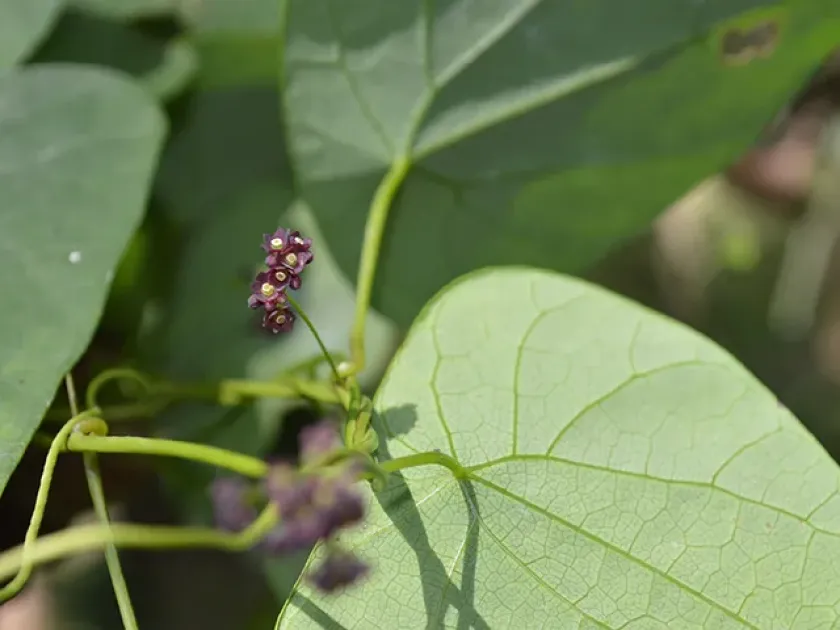
Description
Growing requirements
Stephania elegans is a distinctive perennial herbaceous plant belonging to the Menispermaceae family. Renowned for its unique caudex, which acts as a storage organ, this plant is a fascinating example of botanical adaptation to varying moisture conditions.
Originating from the tropical regions of Southeast Asia, specifically China, this species thrives in environments that offer warmth and filtered light. It is widely prized by collectors for its elegant, heart-shaped foliage and the sculptural appearance of its woody tuberous stem.
The cultivation of this plant requires a highly porous and well-draining potting medium. A mixture based on mineral components, such as pumice or coarse sand, is ideal to prevent the moisture retention that can lead to rot in the delicate root system or the caudex itself.
Temperature management is crucial for the healthy development of Stephania elegans. During the growing season, temperatures between 20°C and 25°C are optimal, while a dormant period during winter, with lower temperatures around 15°C and minimal watering, is necessary for its life cycle.
The primary use of this plant is in the ornamental horticulture sector. It is considered an excellent choice for specialized greenhouse collections and interior design projects that prioritize unique, architecturally interesting biological specimens.
Main diseases and pests
The most significant threat to the plant's viability is root rot caused by overwatering and poor ventilation. It is essential to ensure that the substrate dries out sufficiently between watering sessions to maintain the integrity of the tuber.
Pest management involves regular monitoring for common indoor insects such as spider mites and mealybugs. If an infestation is detected, physical removal or the application of appropriate systemic insecticides is recommended to preserve the decorative foliage.