
Stephania epigaea
Stephania epigaea
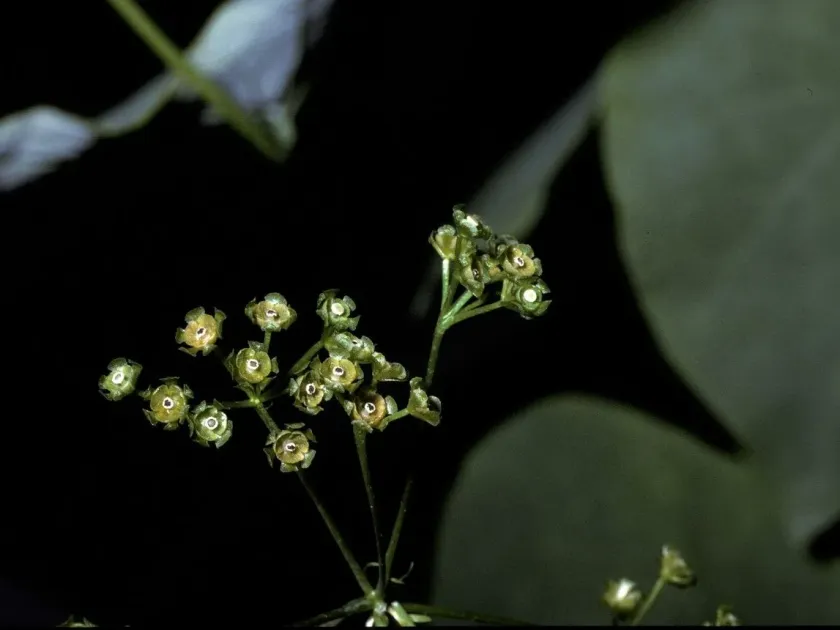
Description
Sowing dates
Propagation of Stephania epigaea in professional settings is typically achieved through seeds or the division of tuberous roots.
Seed germination requires stratification and a consistent soil temperature ranging between 22 and 25 degrees Celsius.
When using vegetative propagation, sections of healthy, mature tubers are planted in a well-draining, nutrient-rich potting medium.
Sowing depth should be kept shallow, approximately 1 to 2 centimeters, to facilitate optimal sprouting and early root development.
Plants must be transitioned into outdoor conditions only after the danger of frost has passed to avoid stunted growth.
Growing requirements
Stephania epigaea is a member of the Menispermaceae family, originating from the tropical climates of Southeast Asia.
The crop thrives in light, well-draining soils with a neutral pH, ensuring the prevention of waterlogging around the tuber.
Bright but filtered sunlight is preferred, as direct exposure can scorch the delicate foliage of the plant.
Optimal growth occurs at temperatures between 20 and 30 degrees Celsius, supported by relatively high humidity levels.
Watering must be balanced and moderate, as excess moisture is a primary trigger for rot in the fleshy root system.
Yield
The primary economic value of Stephania epigaea lies in its tuberous roots, which are harvested for medicinal alkaloid extraction.
Crop yield depends on plant age, with the highest concentration of active compounds typically found in 3 to 5-year-old specimens.
Sustainable cultivation practices allow for significant biomass accumulation when plants are managed with appropriate soil fertilization.
Controlled environments often result in higher yields of standardized quality raw material compared to erratic wild harvesting.
Farmers focused on pharmaceutical production prioritize steady growth cycles to ensure a consistent annual supply of high-grade roots.
Main diseases and pests
Root rot is the most significant threat to this crop, caused by poor drainage or over-irrigation during the growing season.
Greenhouse-grown plants are susceptible to spider mites and aphids, which can quickly degrade foliage health if left unchecked.
Fungal leaf spot diseases may appear in environments with poor air circulation, necessitating regular monitoring and ventilation.
Proper sanitation of tools and substrate is essential to prevent the spread of soil-borne pathogens that target the root system.
Integrated pest management, favoring biological controls, is recommended to maintain the purity of the medicinal harvest.
Harvesting
Harvesting is performed manually at the end of the growth cycle when the aerial foliage naturally begins to die back.
Tubers must be carefully excavated to minimize mechanical damage, followed by a thorough cleaning process to remove soil.
After washing, the roots should be dried in a temperature-controlled environment, ensuring it does not exceed 45 degrees Celsius.
Proper drying is critical to preventing post-harvest molding and ensuring the longevity of the active chemical compounds.
Stored in a cool, dry, and dark environment, the processed roots maintain their pharmaceutical value for extended periods.