
Stephania cephalantha
Stephania cephalantha
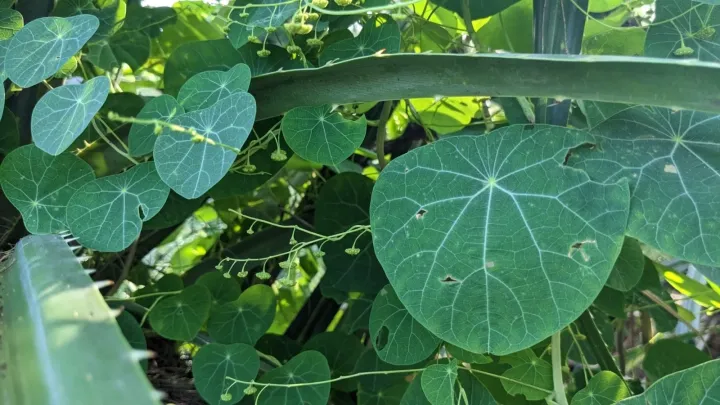
Description
Growing requirements
Stephania cephalantha is a perennial vine belonging to the Menispermaceae family. It is most recognized for its massive, woody tuber (caudex), which grows partially above or below the soil surface, acting as a crucial storage organ for nutrients and water in its native East Asian habitats.
The plant thrives in warm, humid climates found in tropical and subtropical regions. For cultivation, it requires well-draining, loose soil mixtures to prevent rot, as the root system is highly sensitive to waterlogged conditions which are the primary cause of failure in agricultural settings.
In terms of light, this species prefers bright but filtered sunlight. Exposure to direct harsh sunlight can damage the foliage, while insufficient light leads to spindly, weak vines. A balanced environment with stable temperatures between 20°C and 28°C is essential for sustained growth.
Agrotechnical management involves a distinct resting phase. As day length decreases, the plant sheds its leaves and enters dormancy. During this time, irrigation must be strictly minimized or halted entirely to mimic the dry season of its natural environment and prevent tuber decay.
Propagation is primarily achieved through seeds or careful division of the caudex, though the latter is risky due to the plant's slow growth rate. Regular monitoring of the growing medium's moisture level is the most vital aspect of daily maintenance for any agricultural plot.
Main diseases and pests
Fungal pathogens represent the most significant threat to Stephania cephalantha. Root and tuber rot, caused by species such as Pythium, occur rapidly if the drainage is poor or if the resting period is managed with excessive soil moisture, leading to internal necrosis of the caudex.
Insect pests, primarily spider mites and mealybugs, are common in greenhouse environments. These pests colonize the stems and undersides of leaves, draining sap and leaving the plant vulnerable to secondary bacterial infections that can degrade the quality of the raw material.
Harvesting
The primary economic value of Stephania cephalantha lies in the high concentration of alkaloids present in its tubers, particularly cycleanine and other related compounds. These substances are widely studied for their anti-inflammatory, anti-tumor, and immune-enhancing pharmacological properties.
Harvesting is typically performed on mature plants, often those exceeding five years of age, to ensure a high yield of active chemical compounds. The tubers are meticulously cleaned, sliced, and dried under controlled industrial conditions to ensure stability for subsequent pharmacological processing.