
Stephania delavayi
Stephania delavayi
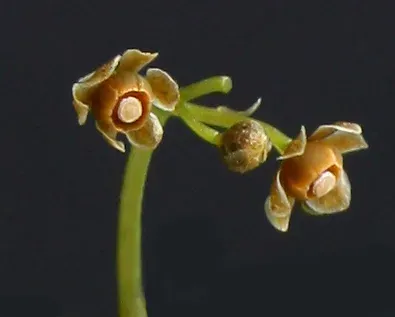
Description
Sowing dates
Propagating Stephania delavayi is primarily done through seeds, which should be planted in early spring. The seeds require warmth, typically between 22 and 26 degrees Celsius, to successfully germinate.
The planting medium must be highly porous, consisting of a mix of pumice, perlite, and coarse sand. It is essential to keep the substrate consistently moist but not waterlogged during the initial germination phase.
Once seedlings emerge, they should be provided with bright, indirect light to encourage steady development of the caudex, which is the plant's main water-storage organ.
Seedlings are delicate and should not be transplanted until they have formed a substantial enough caudex to survive the stress of moving to a new container.
During the first year, it is recommended to keep the young plants in a stable environment with moderate humidity levels to ensure continuous, healthy growth before the first dormancy period.
Growing requirements
Stephania delavayi, a member of the Menispermaceae family, originates from the mountainous landscapes of China. Its biology is centered around its thick, tuberous caudex, which allows it to withstand irregular rainfall.
This plant requires a well-draining substrate to prevent moisture from accumulating around its base. A mix optimized for succulents, incorporating gravel or decomposed granite, is highly recommended for long-term health.
During the growing season, it needs bright light, but intense midday sun can scorch the foliage. Providing a gentle airflow is also crucial to mimic its natural environment and prevent fungal growth.
Watering should be done with care. Always allow the substrate to dry out completely between waterings. During winter, the plant goes dormant, shedding its leaves and requiring almost no water.
Temperatures should stay within the moderate range during the growth phase, while a slight temperature drop during the winter dormancy mimics natural seasonal cycles and promotes future flowering.
Main diseases and pests
The most common threat to Stephania delavayi is root rot caused by stagnant water or soil that remains damp for too long. If the caudex starts to soften, it is a sign of severe distress.
Mealybugs are the most persistent insect pests for this species. They hide in the leaf axils and stems, making them difficult to detect until they have already caused damage to the leaves.
Spider mites can also become an issue in indoor environments with low humidity. These pests feed on the leaves, leading to yellowing and a lack of vigor in the overall plant.
Regular sanitation of the growing area and careful inspection of the plant's surface are necessary to prevent infestations from spreading to other specimens in the collection.
Treating fungal infections early with appropriate fungicides is vital. However, most diseases can be managed by maintaining proper hygiene, avoiding overhead watering, and ensuring excellent soil drainage.