
Stephania gracilenta
Stephania gracilenta
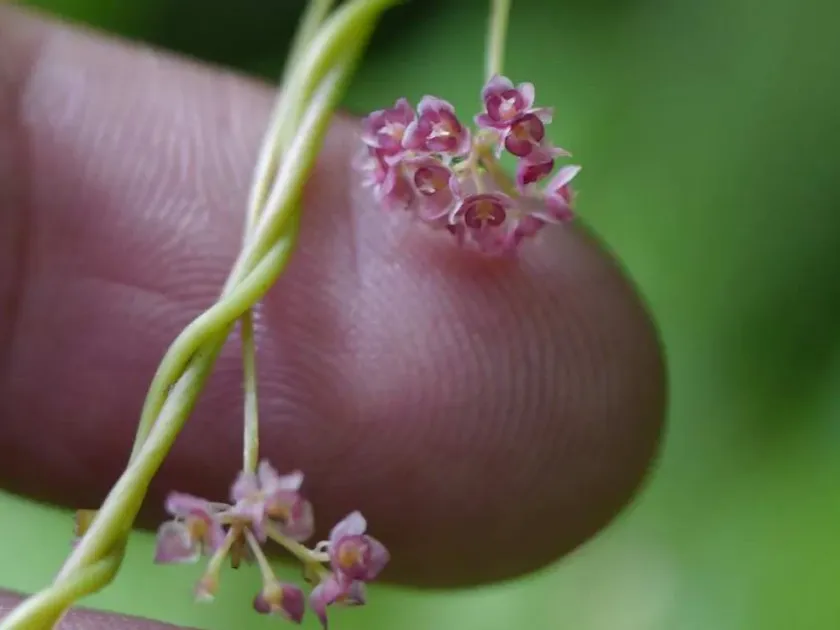
Description
Growing requirements
Stephania gracilenta belongs to the Menispermaceae family and is recognized for its unique tuberous roots and climbing habit. This species is native to tropical regions where it thrives under canopy cover in humid environments.
Temperature management is critical for this crop; it requires a tropical environment with temperatures consistently staying between 20°C and 28°C. Cold spells can severely damage the plant's metabolic functions.
Soil requirements focus on high permeability and drainage. A sandy-loam mixture enriched with organic matter provides the ideal conditions for tuber development while minimizing the risk of waterlogging.
Lighting should be carefully controlled; the plants require bright, indirect light to synthesize nutrients efficiently. Intense, direct sunlight should be avoided to prevent leaf scorching and desiccation of the stems.
The primary economic use of this plant is in the pharmaceutical industry. Its tubers are harvested for the extraction of alkaloids, which are studied for their potential as active pharmaceutical ingredients in neuroprotective and anti-inflammatory drugs.
Main diseases and pests
The most common pests affecting Stephania gracilenta are spider mites and mealybugs. These pests thrive in dry indoor conditions and can cause significant foliage damage if left unchecked.
Fungal diseases such as root rot represent a major threat to the crop. These are primarily caused by overwatering and poor drainage in the growth medium, which leads to necrotic lesions on the tubers.
Control strategies involve the maintenance of an optimal humidity and airflow balance. Using sterile growing media and isolating new plants are essential practices for preventing the spread of soil-borne pathogens.
Regular visual inspections of the plant's collar and leaves allow for early detection of potential outbreaks. If pests are detected, targeted application of soft pesticides is recommended to preserve plant health.
Crop protection management must align with the intended use of the harvest. For medicinal crops, it is essential to use approved substances to ensure that no harmful chemical residues remain in the raw material.