
Stephania suberosa
Stephania suberosa
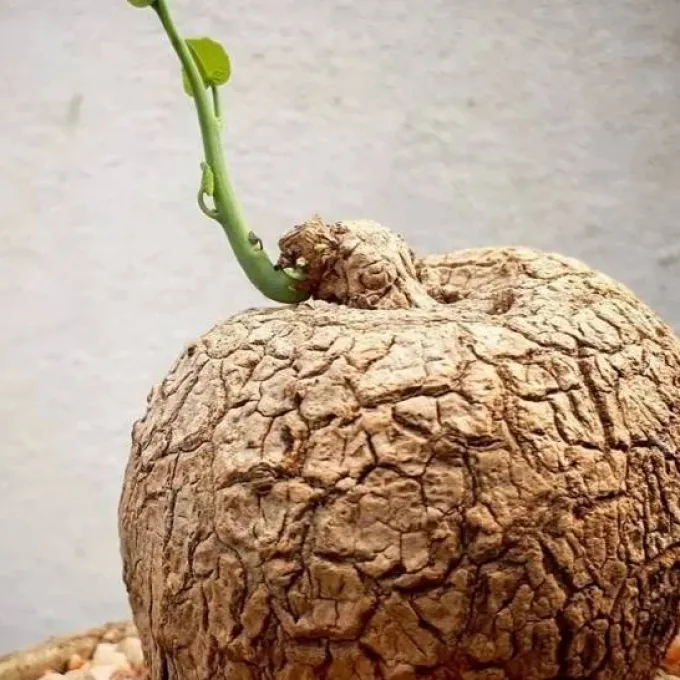
Description
Growing requirements
Stephania suberosa is a unique perennial plant belonging to the Menispermaceae family. Native to the tropical regions of Southeast Asia, including Thailand, this plant is well-adapted to rocky habitats and seasonal tropical forests where it grows under specific environmental conditions.
The defining characteristic of this species is its large, woody caudex, which serves as a specialized organ for water and nutrient storage. This biological adaptation allows the plant to survive during dry seasons, making it a highly resilient species within its ecological niche.
Cultivation requires a well-draining, loose substrate to prevent root and caudex rot, which is the primary cause of failure in domestic or agricultural settings. The plant thrives in bright, indirect sunlight and requires warm temperatures during its active growth phase to develop properly.
Management of the water cycle is crucial; the substrate should be allowed to dry out between waterings. During the dormant winter season, the plant sheds its foliage and requires minimal irrigation, mimicking the natural cycle of its native habitat in Southeast Asia.
Industrially, Stephania suberosa is valued for the alkaloid content in its tuberous roots, which are subjected to phytochemical research. These compounds are studied for their potential medicinal properties, including anti-inflammatory and neurological effects, marking its importance in pharmacological botany.
Main diseases and pests
The most significant threat to Stephania suberosa is pathogenic fungi, which often proliferate in overwatered or poorly aerated soil. Rotting of the caudex is usually irreversible and can be fatal to the specimen if detected too late.
Pests such as spider mites and mealybugs frequently target the lush foliage during the growing season. If left untreated, these pests can severely weaken the plant, reducing its ability to store energy in the caudex for the subsequent dormant period.
Environmental stress, such as sudden temperature drops or lack of proper ventilation, can predispose the plant to diseases. High humidity combined with low temperatures is particularly dangerous, as it creates a perfect environment for bacterial and fungal infection.
Integrated pest management, including the use of systemic insecticides and proper cultural practices, is recommended to keep the plant healthy. Avoiding direct contact of water with the crown of the caudex helps prevent common surface infections.
Routine inspection of the caudex surface and undersides of leaves is essential for early disease detection. Maintaining a stable, dry environment during the resting phase significantly reduces the risks associated with most tropical plant pathogens.