
Stachys macrantha
Stachys macrantha (K. Koch) Stearn
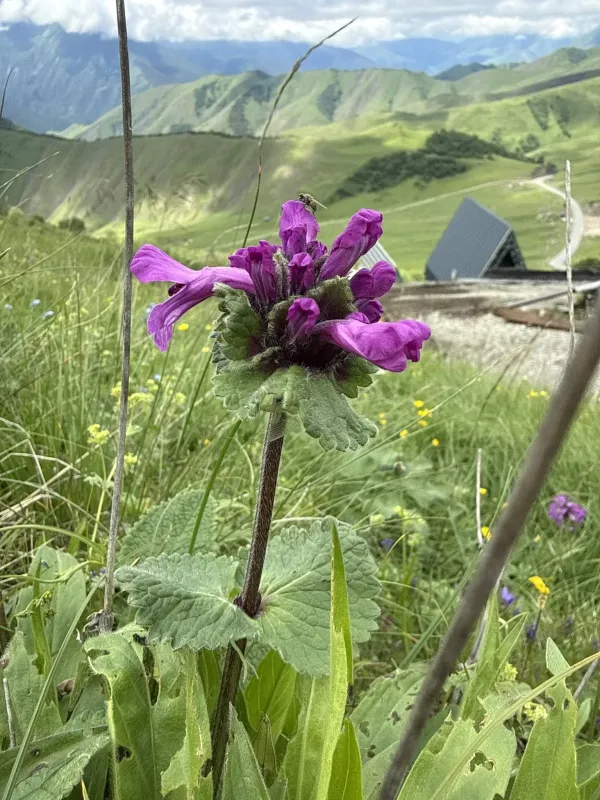
Description
Sowing dates
Seeds of Stachys macrantha are typically sown either in late autumn for winter stratification or in early spring under controlled indoor conditions. Direct sowing into the garden bed can be successful if the soil is well-prepared and weed-free.
For optimal germination, seeds require a cold period of approximately 4 to 6 weeks. This mimics natural environmental conditions and significantly improves the success rate of seedling emergence when temperatures finally rise.
When starting indoors, use a light, well-draining seed-starting mix. Cover the seeds very lightly with soil, as they need exposure to light to trigger germination. Maintain a consistent moisture level throughout the process using a misting bottle.
Vegetative propagation is widely practiced by dividing mature clumps during the dormant season. This method ensures that the new plants retain the specific characteristics of the parent stock and establishes them much faster than seed-grown specimens.
Spacing is essential for the health of the plants; keep an distance of 30 to 45 centimeters between them. This allows for adequate air circulation, which is a critical factor in preventing moisture-related fungal issues during the humid summer months.
Growing requirements
Stachys macrantha belongs to the Lamiaceae family and thrives in full sun to partial shade. In warmer climates, providing afternoon shade can help protect the foliage from heat stress and prolong the flowering period.
The plant requires fertile, loamy soil with excellent drainage. While it is adaptable to various soil types, it performs best in slightly moist environments, provided that the water can easily drain away from the root zone.
This perennial is remarkably hardy and well-suited for temperate climates. It tolerates frost exceptionally well and generally does not require any specialized winter protection, making it a low-maintenance choice for many gardeners.
While the plant is somewhat drought-tolerant once established, regular watering during dry spells is recommended to maintain vigorous growth. Avoid overhead watering, as wet foliage combined with lack of airflow can invite disease.
Apply a balanced organic fertilizer in early spring to kickstart growth. A layer of compost around the base of the plant can help retain moisture and provide a steady supply of nutrients throughout the main growing season.
Main diseases and pests
Powdery mildew is a common fungal issue that appears as a white, dusty film on the leaves. It usually occurs during periods of high humidity or when plants are crowded, making proper spacing and airflow management vital.
Aphids and spider mites are typical pests that can cause damage to the leaves and flower spikes. Regular monitoring is encouraged; if an infestation is spotted, gentle horticultural soap or neem oil applications are usually effective remedies.
Root rot is the most serious threat, usually caused by overwatering or poorly drained heavy clay soils. Signs include yellowing of the foliage and wilting, which are often irreversible once the root system has collapsed.
Slugs and snails can be problematic for young, tender growth during rainy weather. Utilizing organic barriers like crushed eggshells or copper tape can help deter these pests without relying on harsh chemical pesticides.
Good garden hygiene, such as removing fallen debris and thinning out congested areas, is the most effective way to prevent the spread of diseases. Keeping the garden tidy ensures that the plants remain healthy and productive.
Harvesting
The harvesting of Stachys macrantha for medicinal or aesthetic purposes is best conducted when the flowers are in full bloom. Cutting the stems at this stage ensures the highest concentration of volatile compounds and oils.
When drying the plant material, avoid direct sunlight, which can degrade the natural oils and pigments. Hang the stems in bunches in a dark, dry, and well-ventilated location until they are completely brittle and ready for storage.
Deadheading spent flower spikes is a beneficial practice that prevents self-seeding and encourages the plant to produce a second flush of blooms. This simple maintenance step significantly enhances the ornamental value of the garden.
Dividing the rootstock every few years is essential for rejuvenation. As the plant expands, the center may become thin or woody, so digging up the clump and replanting the outer, healthier sections will maintain plant vigor.
Stored dried herbs should be kept in airtight glass or metal containers in a cool, dark cupboard. Properly handled, the material will retain its beneficial properties and fragrance for up to two years after the initial harvest.