
Stachys japonica
Stachys japonica Miq.
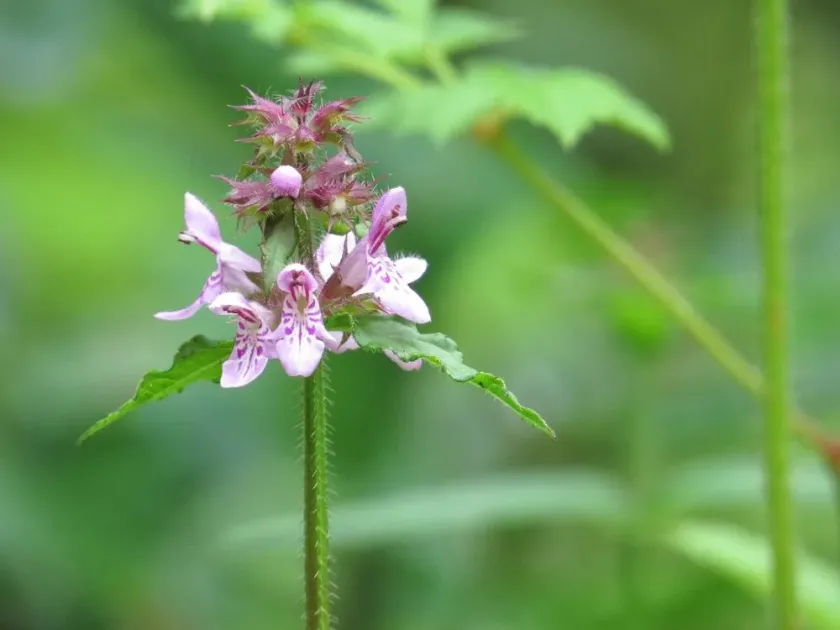
Description
Growing requirements
Stachys japonica thrives in fertile, moisture-retentive loamy soils. Ensuring the substrate is rich in organic matter is crucial for the healthy development of its rhizome system and overall plant vigor.
The plant requires consistent moisture levels throughout the growing season. While it is adapted to damp environments, field cultivation should prioritize well-drained areas to prevent waterlogging, which can be detrimental to root health.
Regarding soil pH, the plant prefers a range between 6.0 and 7.5. Adjusting the soil chemistry through liming or the application of organic amendments can significantly enhance growth rates in suboptimal conditions.
Exposure to full sunlight is generally optimal for photosynthesis and the accumulation of secondary metabolites. However, the plant is adaptable and can tolerate partial shade in regions with intense summer heat.
Cold hardiness is a notable trait of this species. It is well-suited for temperate climates and can withstand significant winter dormancy, making it a reliable perennial option for various agricultural settings.
Main diseases and pests
Powdery mildew is the most common fungal issue affecting the foliage, particularly during periods of high humidity and poor airflow. Proper plant spacing is essential to mitigate this risk.
Root rot caused by soil-borne pathogens can occur if the soil structure becomes too compact or if irrigation is excessive. Prevention focuses on maintaining proper soil drainage and aeration.
Pests such as aphids represent a frequent challenge, targeting new growth and weakening the plant's overall health. Regular monitoring is key to detecting infestations before they spread across the field.
Leaf beetles may also cause localized damage during the active growing season. Integrated pest management strategies, including the use of beneficial insects, are recommended for sustainable control.
To maintain plant health, growers should practice crop rotation and utilize pathogen-free stock, which reduces the reliance on chemical interventions and ensures a higher quality harvest.