
Winter heath
Erica carnea L.
Description
Growing requirements
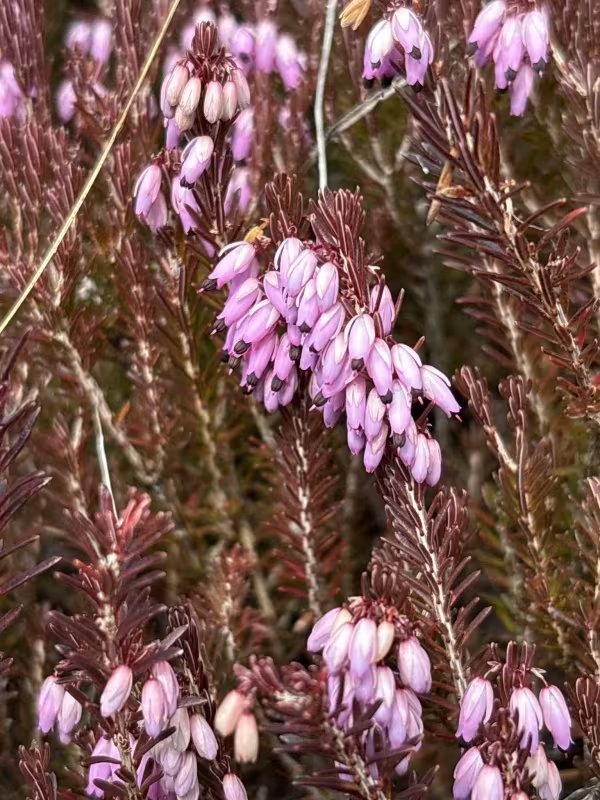
Winter heath (Erica carnea L.) is a popular evergreen dwarf shrub belonging to the Ericaceae family. It is widely cultivated for its ability to bloom in late winter and early spring.
Originating from the mountains of Central and Southern Europe, this species is adapted to rocky, well-drained habitats. It is known for its extreme hardiness compared to other ericas.
The plant features needle-like foliage and bell-shaped flowers that persist for several months. It serves as an excellent ground cover, effectively suppressing weeds in garden beds.
Cultivation requires acidic to neutral soils with excellent drainage. Unlike many other heath species, Erica carnea can tolerate slightly alkaline conditions, though it performs best in peat-rich soil.
Sunlight exposure is crucial for flowering density. While it can survive in partial shade, prolonged periods without direct sun will result in sparse growth and fewer blossoms.
Main diseases and pests
The most common disease affecting this species is Phytophthora root rot, usually caused by poor drainage. Preventing water stagnation is the primary method of control.
Grey mold (Botrytis) may develop in dense plantings with low airflow. Ensuring proper spacing between individual plants helps mitigate this risk significantly.
Spider mites are the most frequent pests, especially during hot and dry spells. Regular misting or the application of acaricides can help manage their populations effectively.
Scale insects can occasionally infest the stems, weakening the plant. Manual removal or systemic insecticides are recommended if infestations are detected early.
Maintaining a healthy, well-mulched soil environment reduces plant stress, which makes the heath less susceptible to secondary infections and pest attacks.