
Spotted knapweed
Centaurea stoebe L.
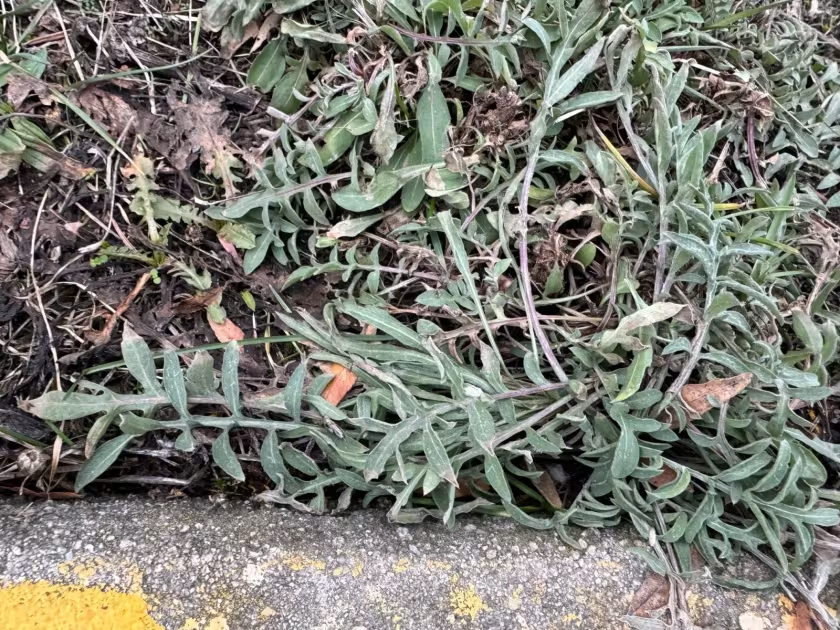
Description
Growing requirements
Spotted knapweed (Centaurea stoebe L.) belongs to the Asteraceae family. It is a persistent herbaceous perennial characterized by a deep taproot that allows it to dominate in various environments.
Native to Europe and Western Asia, this plant has expanded its range significantly due to its adaptability to disturbed sites, meadows, and agricultural landscapes.
The plant thrives in well-drained, nutrient-poor, sandy, or gravelly soils. It shows extreme resilience to drought, maintaining growth during dry periods that suppress more sensitive crops.
Agronomically, it is recognized as a significant weed due to its competitive nature and allelopathic properties, which inhibit the germination and growth of neighboring beneficial crops.
Management strategies require a multifaceted approach, including cultural, mechanical, and sometimes biological control methods to mitigate its impact on field productivity.
Main diseases and pests
The plant serves as a host to several specialized insects, such as root-boring weevils and flower-feeding moths, which are often studied for their role in biological suppression.
Pathogenic fungi, including various types of powdery mildew, can infect the leaves during periods of high humidity, impacting the plant's overall photosynthetic efficiency.
Rust diseases also occur, causing pustules on foliage that weaken the plant's structural integrity and reduce its seed production potential.
Chemical control involving systemic herbicides is commonly applied, although the plant's ability to regenerate from the root crown requires repeated applications.
Integrated pest management protocols suggest combining tillage practices with chemical treatments to effectively disrupt the life cycle of the knapweed and ensure crop survival.