
Velvet Centaurea
Centaurea gymnocarpa Moris & De Not.
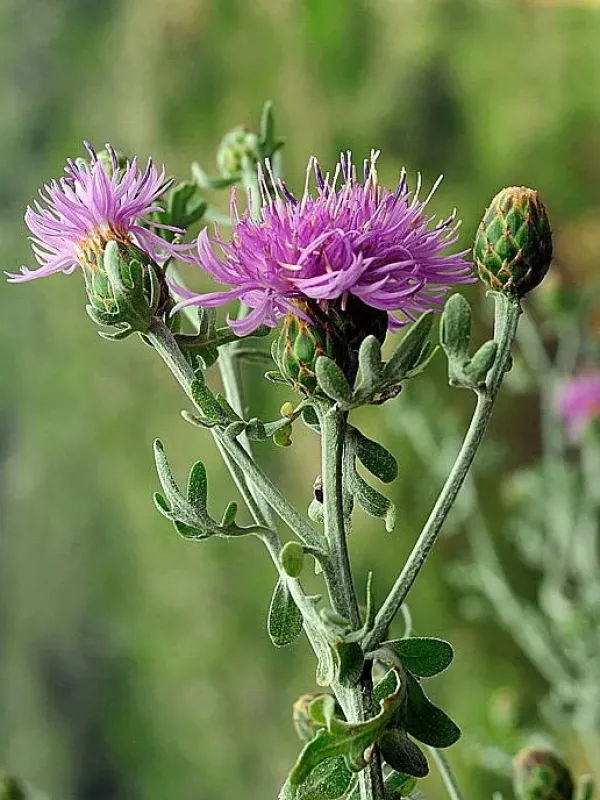
Description
Sowing dates
Seeds of Velvet Centaurea are typically sown in early spring, usually March or April, within a controlled greenhouse environment.
Maintain a stable temperature of approximately 18–20 degrees Celsius to ensure consistent germination and healthy seedling development.
Transplanting to the permanent location should only occur after all risks of frost have passed to ensure the survival of young plants.
Spacing is a crucial factor; plants should be set 40–50 centimeters apart to allow for adequate growth and airflow between specimens.
Direct sowing into the garden soil is possible in warmer regions, though container-raised starts generally show significantly better survival rates.
Growing requirements
Velvet Centaurea is a member of the Asteraceae family, valued primarily for its distinctively dissected, silvery-white foliage.
The plant thrives in full sun exposure, which is necessary to maintain the intensity of its decorative silver-gray color throughout the year.
Excellent soil drainage is non-negotiable for this species, as it is highly susceptible to root rot in waterlogged or heavy clay soils.
It is well-adapted to Mediterranean-like conditions, requiring deep but infrequent watering once established in the landscape.
Light pruning is recommended to maintain the rounded, compact habit of the plant and to stimulate new, vibrant growth cycles.
Main diseases and pests
Overwatering remains the most critical threat, often leading to crown rot and other soil-borne diseases that can rapidly destroy the plant.
Powdery mildew is a common fungal issue that affects foliage density, especially in areas with poor circulation and high humidity.
Insect pests, including aphids and spider mites, are frequently attracted to the tender tips of the plant during the warmer summer months.
Cultural controls, such as ensuring proper spacing and removing debris around the base, are vital for maintaining plant health.
Integrated pest management strategies should be employed to address infestations without harming the overall silver appearance of the leaves.