
Basket flower
Centaurea americana Nutt.
Description
Sowing dates
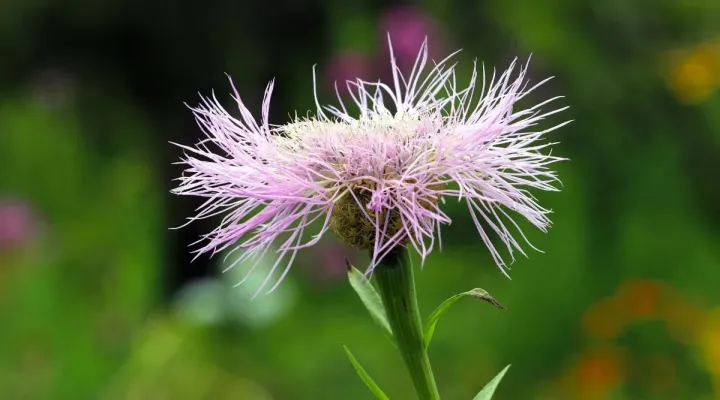
Basket flower, scientifically known as Centaurea americana, is a stunning annual herbaceous plant belonging to the Asteraceae family. It is distinguished by its large, showy, thistle-like flower heads that can reach up to 10 centimeters in diameter.
The optimal sowing time is in early spring, once the soil has warmed up to favorable temperatures. Seeds should be sown directly into the final growing site, as the plant possesses a deep taproot that makes it sensitive to transplanting shock.
It is important to maintain a spacing of approximately 30 to 40 centimeters between plants to ensure adequate airflow. Proper spacing is essential to prevent the accumulation of moisture and the subsequent development of fungal pathogens.
Native to the prairies of North America, this species is well-adapted to open, sunny landscapes. It is cultivated not only for its significant ornamental value but also for its role as a prolific nectar source for various pollinators.
The flowering period typically commences in mid-summer and persists through the autumn season. Due to its inherent hardiness, this species demonstrates excellent adaptability to a wide range of temperate climates.
Growing requirements
The plant has a high requirement for solar exposure; it thrives in full sun conditions. Insufficient light levels lead to etiolated, weak stems and a significant reduction in the quantity and size of the flower heads.
Basket flower prefers light, well-drained soil with a neutral to slightly alkaline pH. Waterlogging is detrimental to the plant, as poor drainage quickly leads to root rot and complete failure of the crop.
While the plant can tolerate soils with moderate fertility, it benefits from the application of balanced fertilizers during the early vegetative stage. This supports vigorous growth and enhances the overall quality of the blossoms.
The species exhibits remarkable drought tolerance, making it an excellent choice for regions characterized by erratic rainfall patterns. Excessive irrigation is generally discouraged as it can lead to unhealthy soft growth.
Optimal growth temperatures for this species range from 18 to 25 degrees Celsius. It possesses sufficient physiological resilience to endure brief periods of cool weather during the spring and autumn transition periods.
Main diseases and pests
Root rot is the most common threat to this crop, usually resulting from inadequate soil drainage or overwatering. Maintaining a porous soil structure and avoiding direct contact of moisture with the root collar are vital preventive measures.
Aphids represent the primary insect pest, as they tend to congregate on young foliage and stems to feed on plant sap. Integrated pest management strategies, including biological controls or targeted insecticides, are recommended for infestations.
Powdery mildew can infect plants under conditions of high humidity and poor air circulation. Removing infected plant tissue and ensuring proper spacing between plants are the most effective cultural practices to curb the disease.
Gray mold may occur during periods of prolonged wet weather, damaging both the stems and the developing flower buds. Prompt removal of infected plants prevents the spread of spores throughout the production field.
Continuous monitoring of the field is crucial, especially during the bud formation phase. Early detection of pests and diseases ensures timely interventions, which are necessary for maintaining both plant health and aesthetic quality.