
Centaurea dealbata
Centaurea dealbata Willd.
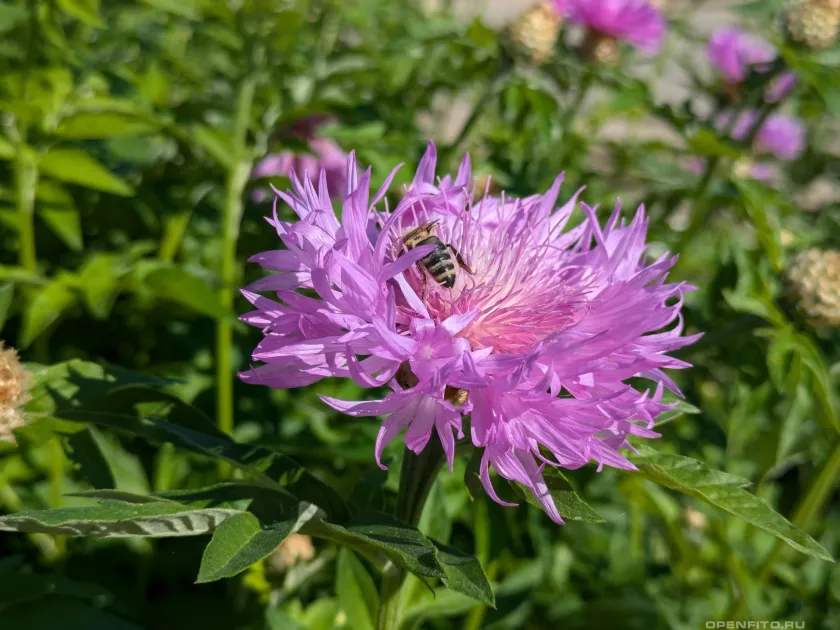
Description
Sowing dates
Propagation of Centaurea dealbata is commonly achieved by dividing established clumps in early spring or autumn, which helps rejuvenate the plant and maintain vigor.
Sowing seeds directly into open soil is a viable method, typically performed in late autumn to allow for natural cold stratification during the winter season.
When starting from seeds, ensure they are sown at a shallow depth of approximately 1-2 centimeters, maintaining a consistent moisture level in the substrate to encourage germination.
Spacing is critical for this species, as mature plants tend to spread and require sufficient airflow between individuals to prevent potential fungal issues.
Seedlings or divisions should be transplanted into a site with well-draining soil, ensuring the root crown is positioned correctly relative to the soil surface level.
Growing requirements
Centaurea dealbata, a member of the Asteraceae family, thrives best in sunny positions, although it can tolerate partial shade in hotter climates.
The species prefers fertile, light, and well-drained soil types to support its extensive root system and avoid waterlogging during wet seasons.
It is known for its hardiness and ability to endure periods of drought once established, making it a low-maintenance choice for many gardeners.
Regular cultivation of the soil surface around the plants helps to break up crusts, improves gas exchange at the roots, and removes competing weeds.
While the plant is generally undemanding, occasional organic or balanced mineral fertilization during the active spring growth phase can enhance flowering performance.
Main diseases and pests
Common issues affecting this species include powdery mildew, especially in environments with high humidity and poor air circulation among the foliage.
Pests like aphids can occasionally cluster on the flower buds, requiring prompt intervention with insecticidal soap or biological controls to protect the plant.
Preventive measures such as avoiding overhead watering and ensuring proper drainage are essential to minimize the risk of crown rot and other soil-borne diseases.
Sanitation practices, including the removal of dead leaves and debris from the plant base, are highly recommended to discourage the overwintering of pathogens.
Monitoring the plants during early growth stages ensures early detection of potential infestations, allowing for targeted and efficient management strategies.
Harvesting
The primary use of Centaurea dealbata is ornamental, serving as an attractive focal point in perennial borders, rock gardens, and naturalistic landscape designs.
Cut flowers should be harvested when the buds are just beginning to open, which provides the best vase life and aesthetic appeal for floral arrangements.
Deadheading spent flowers throughout the summer is a key horticultural practice that encourages the plant to maintain a tidy appearance and prevents unwanted self-seeding.
Late autumn maintenance involves cutting back the dried foliage to the base, which prepares the plant for winter and supports healthy regrowth the following spring.
Due to its striking silver-tinted leaves and vibrant flowers, this plant remains a staple in both public park landscaping and private flower garden collections.