
Cornflower
Centaurea cyanus L.
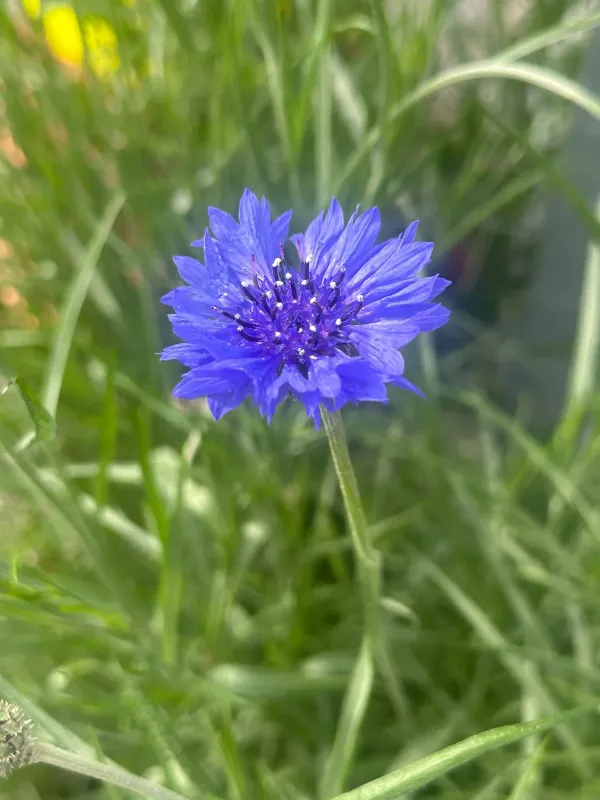
Description
Sowing dates
Cornflower (Centaurea cyanus) is a hardy annual that prefers direct sowing into well-prepared soil. In agricultural practice, it is sown in early spring, as soon as the ground can be worked, ensuring the temperature is at least 5-8 degrees Celsius for germination.
Seeds should be planted at a shallow depth of 1-2 centimeters. They require a significant amount of light to trigger germination, so burying them too deep will result in poor emergence rates. Consistent seed-to-soil contact is essential for uniform establishment.
The optimal row spacing is between 30 and 45 centimeters. This allows for effective weed control through mechanical cultivation, which is vital during the early stages of growth as cornflowers are sensitive to competition from aggressive weeds.
Seedlings typically emerge within 10-15 days. During this period, field management should focus on maintaining a clean seedbed. In regions with mild winters, autumn sowing can be practiced to achieve earlier spring blooming and higher biomass production.
Standard seeding rates range from 5 to 10 kilograms per hectare depending on the target use (either for seed production or floral harvesting). Proper density helps in creating a closed canopy that suppresses smaller weeds over time.
Growing requirements
Cornflower thrives in full sun, which is critical for both its vigor and the intense pigmentation of its petals. Shade exposure should be strictly avoided as it leads to weak, spindly stems and significantly reduced quality of raw material.
The plant prefers fertile, well-draining soils with a neutral or slightly alkaline pH. While it is adaptable to various soil types, including sandy loams, it performs poorly in waterlogged conditions or heavy clay soils prone to compaction.
While cornflower is drought-tolerant once established, supplemental irrigation during the bud-forming stage is highly recommended to increase yield. Excessive nitrogen fertilization should be avoided as it promotes leaf growth at the expense of flower production.
Phosphorus and potassium are the primary nutrients required to promote strong stems and vibrant flower color. Organic matter added to the soil before planting provides a steady nutrient release throughout the growing season.
Crop rotation is important to manage soil-borne pathogens. It is advised to avoid planting cornflowers after other members of the Asteraceae family to break the life cycle of specialized pests and soil diseases.
Yield
The typical yield of dry marginal florets ranges from 150 to 300 kilograms per hectare. This yield is highly dependent on the precision of manual harvesting and the specific variety planted for medicinal quality.
Cornflower is an excellent nectar source, contributing significantly to local bee populations. Average honey production estimates reach 30-40 kilograms per hectare, making it a valuable addition to diversified agricultural landscapes.
Productivity is maximized through multiple harvest passes throughout the blooming season. As new flower heads open continuously from June through August, farmers can collect flowers every few days to optimize total seasonal output.
Environmental conditions impact yield heavily; calm, dry weather is ideal for harvesting, as moisture on the petals can cause rapid degradation and discoloration during the drying process.
Since the harvesting process is largely manual, the economic yield is closely tied to labor efficiency. Developing cultivars with synchronous flowering could potentially allow for more streamlined mechanical harvesting in the future.
Main diseases and pests
Fungal diseases such as powdery mildew and rust are the most common threats to cornflower fields. These are often exacerbated by poor air circulation and high humidity levels in densely planted areas.
Pests like aphids and certain species of leaf-eating beetles can cause damage to the foliage and buds. Integrated pest management strategies, including the use of biological controls, are preferred over synthetic pesticides.
Root rot is a major concern in fields with inadequate drainage. Proper soil preparation and the selection of well-drained sites are the most effective preventative measures against these pathogens.
Monitoring the field for early signs of infestation is crucial. Addressing small pest outbreaks immediately prevents them from spreading across the entire plantation, maintaining the quality of the harvested flowers.
Ensuring the health of the plant is vital, as any chemical residues from pest control can significantly diminish the market value of the crop, especially when grown for pharmaceutical or cosmetic purposes.
Harvesting
Harvesting is a delicate, labor-intensive task, as only the blue marginal florets are of medicinal value. These must be picked manually, ensuring that no green bracts or tube florets are included in the final batch.
The timing of the harvest is critical; the flowers should be collected when fully open but before they start to wilt. Daily harvesting during the mid-morning, once the dew has evaporated, ensures the highest quality of the final product.
Post-harvest handling requires rapid drying to preserve the distinctive blue color. Flowers should be spread in thin layers in a shaded, well-ventilated area or a commercial dryer set to a maximum of 40-50 degrees Celsius.
Dried flowers should be sorted to remove any organic debris and then packed into moisture-proof, light-resistant containers. Improper storage conditions quickly lead to a loss of the characteristic color and active ingredients.
Under optimal storage conditions, dried cornflower florets retain their pharmacological potency for up to two years. Regular quality checks are recommended to ensure that humidity has not compromised the dried product.