
Spotted geranium
Geranium maculatum L.
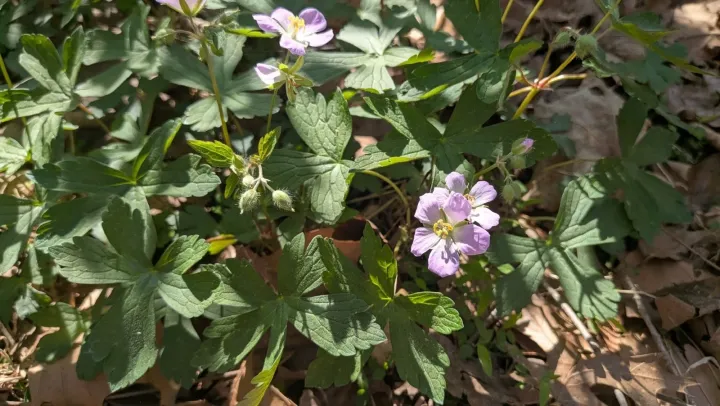
Description
Sowing dates
Spotted geranium (Geranium maculatum L.), a member of the Geraniaceae family, is a valuable perennial plant often cultivated for its medicinal properties and ornamental value.
Propagation is achieved through either seed sowing or vegetative division of the rhizomes. Seeds should be sown in autumn to allow for winter cold stratification, which is vital for germination.
When starting indoors, seeds require a temperature of 18–20 degrees Celsius. Seedlings should be hardened off before being transplanted into the garden during the spring.
Vegetative division is the preferred method for commercial cultivation, as it ensures genetic consistency and faster establishment of the plant stands.
Rhizomes should be planted approximately 10 centimeters deep, maintaining a spacing of at least 30 centimeters to allow for optimal canopy spread and root development.
Growing requirements
This crop thrives in humus-rich, well-drained loamy soils. It prefers a slightly acidic to neutral pH, mirroring the conditions found in its native woodland habitats.
The plant performs best in partial shade. Excessive exposure to direct midday sun can lead to leaf scorch, especially in regions with hot, dry summers.
Moisture management is key; while the plant requires regular watering, it cannot tolerate waterlogged conditions, which lead to rapid root decay.
Regular applications of organic mulch are highly beneficial, as they mimic the natural forest floor, retaining moisture and suppressing competitive weed growth.
The plant is hardy and adapts well to temperate climates, showing significant resilience to winter freezing provided there is adequate soil drainage.
Main diseases and pests
Geranium maculatum is generally robust and resistant to most pests; however, improper air circulation can invite powdery mildew during humid weather.
To mitigate disease risk, growers should ensure proper spacing between plants and avoid overhead irrigation that keeps the foliage wet for extended periods.
Occasional infestations by leaf-feeding insects, such as caterpillars, can occur. Integrated pest management techniques should be used to protect the crop.
Root rot is the most serious threat, usually occurring due to poor soil drainage. If symptoms appear, immediate drainage improvement is necessary to save the plants.
Regular monitoring of the lower leaves is recommended to detect any signs of fungal pathogens early, preventing widespread infection in the field.
Harvesting
The rhizomes of the spotted geranium are the primary part harvested for medicinal purposes, known for their high tannin content and astringent effects.
Harvesting is conducted in the autumn, once the plant's aerial parts begin to die back and the rhizomes reach peak concentration of their active constituents.
The rhizomes are carefully unearthed, cleaned of all soil and fibrous roots, and then sliced into pieces to facilitate faster drying without degrading their quality.
Drying must take place in a well-ventilated, shaded area or a mechanical dryer at temperatures not exceeding 50 degrees Celsius to preserve efficacy.
The final product should be stored in airtight containers, kept in a cool, dry place away from direct light to maintain potency for up to two years.