
Spotted bellflower
Campanula punctata Lam.
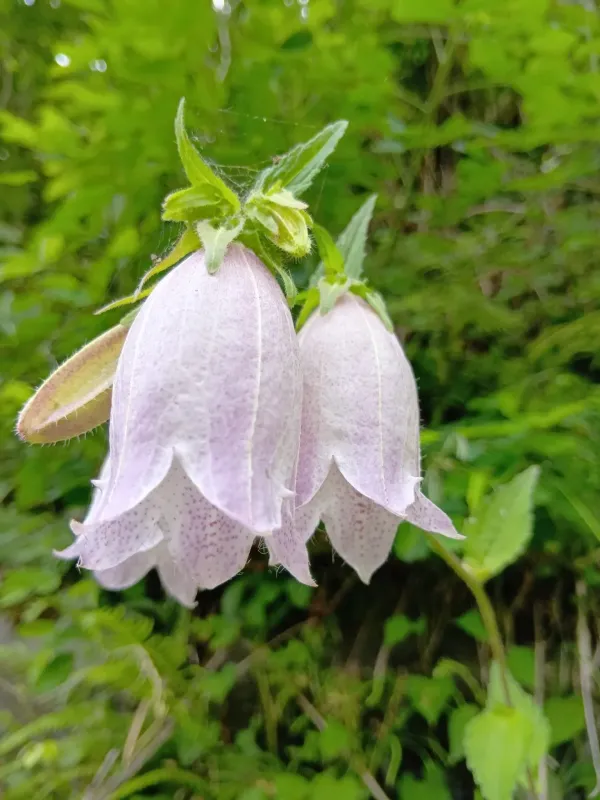
Description
Sowing dates
Sowing spotted bellflower seeds is typically performed in early spring as soon as the soil is workable or during late autumn for winter sowing.
For more predictable results, indoor seed starting is recommended in late winter, ensuring seeds are surface-sown as they require light to germinate.
The seedlings should be acclimated to outdoor conditions before transplanting them into the garden once the danger of severe frost has passed.
Spacing is essential, as the plant spreads vigorously via rhizomes, so allowing at least 30 to 40 centimeters between individual plants is necessary.
In addition to seeds, vegetative propagation through division of established clumps is a highly effective way to expand a planting area.
Growing requirements
The spotted bellflower thrives in locations with partial shade, especially in warmer climates where intense afternoon sun may scorch its foliage.
Well-draining, fertile soil that remains consistently moist but not waterlogged is the ideal substrate for this Campanulaceae family member.
The pH level of the soil should ideally be neutral or slightly alkaline, with regular additions of organic matter to support healthy plant growth.
Consistent watering is required during dry spells, as drought stress can lead to reduced flowering and poor vigor of the established perennials.
Mulching the base of the plants helps to retain soil moisture and suppress weed growth, which is particularly beneficial for young developing clumps.
Main diseases and pests
Slugs and snails are the most significant pests for Campanula punctata, often causing severe damage to the soft leaves and developing flower buds.
Fungal issues such as powdery mildew can occur, particularly in environments with high humidity or poor air circulation around the plants.
Root rot is a major threat during winter months if the soil lacks sufficient drainage, emphasizing the need for proper site preparation.
Management involves using physical barriers against mollusks and applying fungicides in the early stages of infection to save the plant.
Maintaining a clean garden bed by removing debris at the end of the season prevents the overwintering of pathogens that could harm the plant.