
Sand dropseed
Sporobolus cryptandrus (Torr.) A. Gray
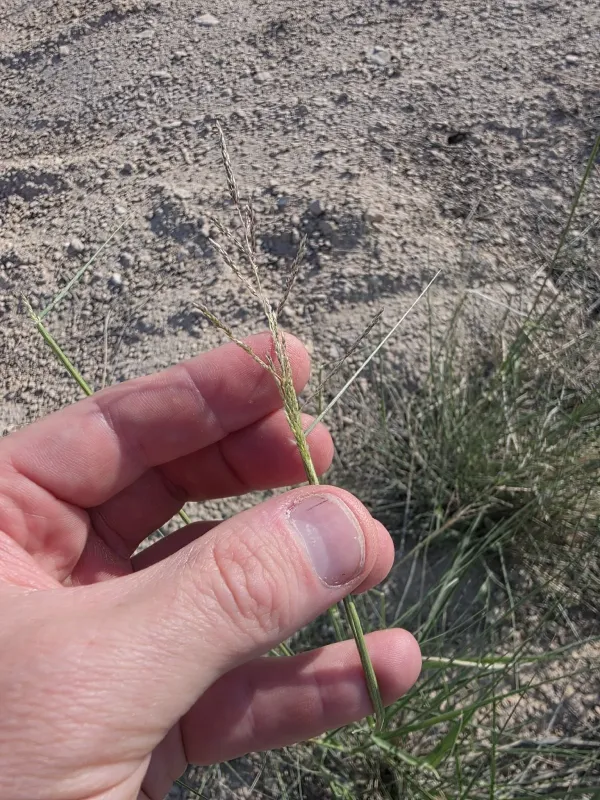
Description
Sowing dates
Sand dropseed is a perennial bunchgrass adapted to harsh environments. Sowing should be carried out in early spring, once the soil has warmed sufficiently, to ensure steady growth and establishment.
Due to the extremely small size of the seeds, they should be sown shallowly, ideally at a depth of no more than 1 to 2 centimeters. Pressing the soil firmly after sowing is essential to ensure good seed-to-soil contact.
This species is highly capable of self-seeding, which helps maintain a healthy plant density in permanent pastures and restoration sites without the need for frequent reseeding.
Seedbed preparation requires thorough weed management, as young seedlings grow slowly in the initial stages and can be easily outcompeted by more aggressive invasive weeds.
The establishment phase requires consistent moisture during the first few weeks, though once the root system is fully developed, the plants become remarkably drought-hardy.
Growing requirements
Sand dropseed is a true xerophyte, thriving in sandy, gravelly, and low-fertility soils where traditional forage grasses often fail. It is an excellent choice for sites affected by erosion.
The plant requires full sun for optimal development. It is highly intolerant of shade and will exhibit reduced tillering and biomass production if grown under canopy cover or dense vegetation.
The species is highly heat-tolerant, making it a valuable resource in regions with extreme summer temperatures that would otherwise desiccate more temperate grass species.
It displays remarkable tolerance to alkaline and saline soil conditions, which allows it to be used effectively for the reclamation of degraded and industrial-impacted lands.
It has very low nutrient requirements, though supplemental nitrogen can be beneficial if the objective is to maximize biomass for hay production in degraded soil conditions.
Yield
The biomass yield of sand dropseed is largely dependent on available moisture during the growing season. While it is not as productive as irrigated meadow grasses, it provides stable yields in otherwise unproductive areas.
In a grazing system, rotational management is recommended to allow the plants to replenish energy reserves in their root systems, ensuring long-term persistence of the stand.
The forage quality remains consistent even into the later stages of maturity, which provides a reliable source of nutrition for livestock during the dry summer months.
When used in seed production, the species is capable of producing significant quantities of small seeds that are high in energy, provided the stand is managed to prevent overcrowding.
Integrating this grass into mixtures with native legumes can significantly improve the overall protein content and palatability of the forage produced on arid rangelands.
Main diseases and pests
Sand dropseed has a robust natural resistance to many common fungal diseases, reducing the need for intensive chemical plant protection programs in field conditions.
The primary risks to young stands are soil-dwelling pests like wireworms, which may cause damage to developing roots during the initial establishment year.
Excessive soil moisture or poor drainage during the winter dormancy period can lead to root rot, so careful site selection that prioritizes well-drained soils is critical.
Insect pests that typically feed on cereal crops generally ignore sand dropseed unless the plants are suffering from severe environmental stress.
For stored seed, maintaining low moisture levels is the most critical factor to prevent fungal contamination and ensure the viability of the seed lot for the next planting season.
Harvesting
Hay harvest should ideally occur during the booting stage to early anthesis, ensuring the highest concentration of essential nutrients before the plant shifts energy to seed maturation.
Seed harvesting requires precision, as the seeds shatter easily upon reaching full maturity. Equipment should be adjusted to minimize air-flow losses during the threshing process.
The harvested hay is palatable for cattle and serves as a vital winter or drought-period feed source in regions where alternative fodder is scarce or expensive to import.
Using combine harvesters with specialized pans for small seeds can drastically increase the efficiency of seed collection and reduce post-harvest waste in the field.
Post-harvest stubble should be managed carefully; leaving some biomass on the soil surface helps protect the ground from wind erosion during the dormant season.