
Alkali sacaton
Sporobolus airoides (Torr.) Torr.
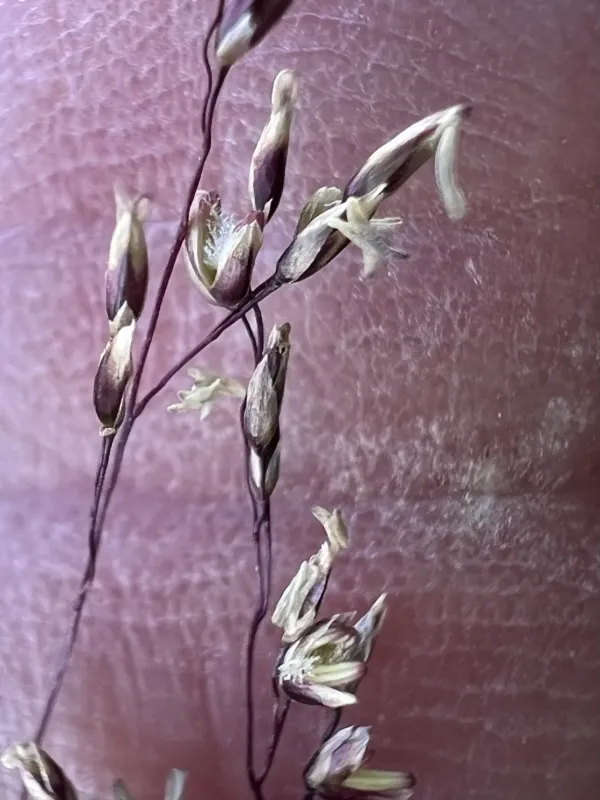
Description
Growing requirements
Alkali sacaton (Sporobolus airoides) is a long-lived perennial grass belonging to the Poaceae family. Native to the western United States, it is a hardy species widely recognized for its ability to thrive in challenging environments.
This grass is highly prized for its exceptional drought tolerance and its ability to withstand saline or alkaline soils. These traits make it a vital species for rangeland restoration projects and erosion control in arid regions.
The botanical structure of the plant features dense, bunch-type growth with narrow leaves and distinctive open panicles. Its deep-reaching root system provides superior soil stability and efficient water uptake during prolonged dry periods.
Regarding cultivation, Alkali sacaton thrives in full sun and requires well-drained soil, though it can tolerate periodic flooding. While it establishes slowly from seed, it is incredibly persistent and competitive once fully mature.
Maintenance involves managing soil fertility to ensure strong stands. It does not require intensive fertilization, as it is adapted to nutrient-poor soils, but it benefits from occasional controlled grazing or mowing to maintain vigor.
Yield
The primary agricultural use of this species is for forage production in arid rangelands. It provides critical grazing for cattle and sheep, particularly during mid-summer when other pasture grasses may have reached their maturity or dormancy.
Nutritional value is highest in the vegetative stage. Farmers often time their grazing schedules to match the early growth phases of the plant, as the forage quality remains consistently good if managed through proper stocking rates.
Main diseases and pests
Alkali sacaton is generally resistant to most pests and diseases. However, in certain environments, it may be susceptible to minor leaf rusts if moisture levels remain unusually high for extended periods, or grasshopper infestations.
Preventive management includes avoiding overgrazing, which can weaken the plant and allow opportunistic weeds to invade the stand. Maintaining proper spacing and vigor is the best natural defense against pests and diseases.