
Sporobolus aculeatus
Sporobolus aculeatus (L.) P. M. Peterson
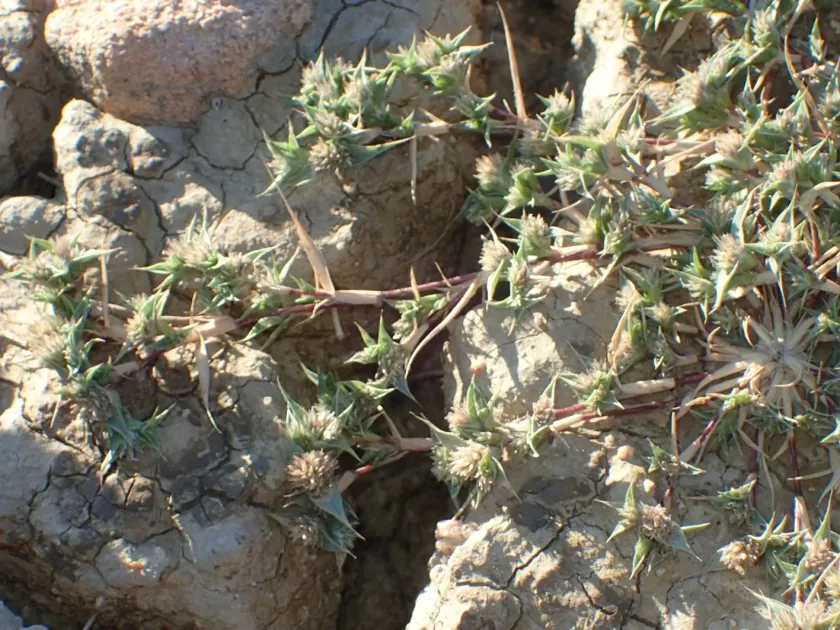
Description
Growing requirements
Sporobolus aculeatus belongs to the Poaceae family. This perennial grass is highly regarded for its adaptation to challenging environmental conditions.
The plant originates from arid and semi-arid regions and exhibits high tolerance to saline soils. Its natural range includes areas with low rainfall, where other forage crops often fail to produce significant biomass.
This crop has moderate moisture requirements, relying on a robust root system capable of extracting water from deep soil profiles. It thrives in full sun and does not perform well under shade.
The ideal soil types for Sporobolus are sandy, loamy, or well-drained silt soils. While the plant can withstand short-term waterlogging, persistent standing water is detrimental to its health.
Moderate temperatures are required for optimal development. In regions with harsh winters, the plant enters a dormant phase, demonstrating sufficient cold hardiness within its native climatic zones.
Yield
The primary agricultural use of Sporobolus aculeatus is as forage for livestock. It serves as a vital component of pastures in regions where water scarcity limits other plant growth.
The nutritional value is highest during the vegetative phase before the onset of flowering. During this window, the levels of crude protein and essential minerals remain at their peak.
Utilizing this grass helps mitigate soil erosion in windy areas, as its dense root mat creates a strong, protective ground cover that stabilizes the soil surface.
Because the hay quality is average, the most efficient way to exploit this crop is through rotational grazing, which prevents overgrazing and ensures long-term pasture health.
Green biomass yield is directly influenced by precipitation patterns during the growing season and soil salinity levels, which are critical variables for agricultural land planning.
Main diseases and pests
Major threats to Sporobolus populations include fungal pathogens that proliferate during periods of high humidity, particularly cereal rust diseases.
Insect pests, such as leafhoppers and various types of grass flies, can inflict damage on vegetative tissues, leading to reduced overall pasture productivity.
Improper grazing intensity often leads to the depletion of energy reserves within the rhizomes, weakening the plant and increasing its susceptibility to secondary opportunistic infections.
Competition with invasive weeds during the establishment phase (the first year) remains a significant risk for achieving a dense and uniform pasture stand.
Disease management strategies rely on maintaining optimal stand density and employing strategic mowing or grazing to limit the accumulation of stagnant plant matter.