
Prairie dropseed
Sporobolus heterolepis (A. Gray) A. Gray
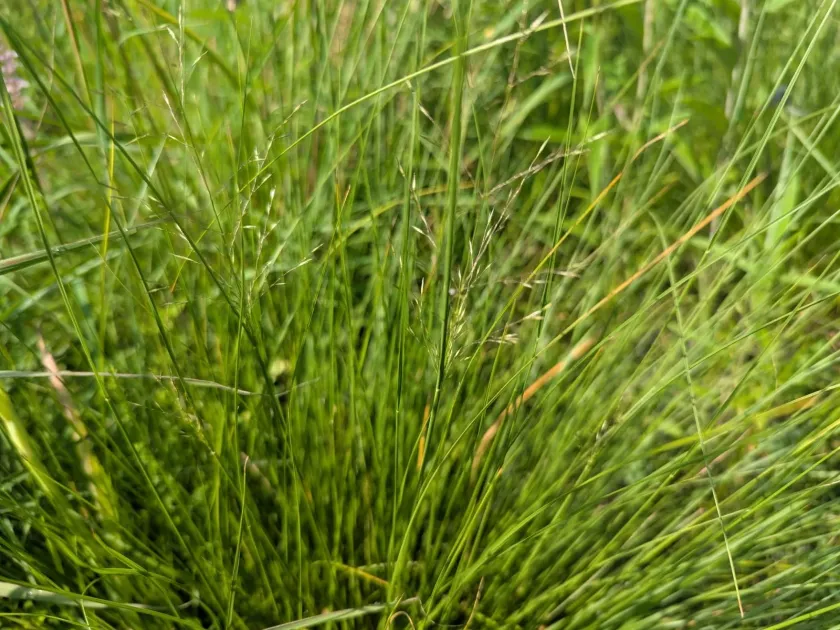
Description
Sowing dates
Propagation of Sporobolus heterolepis is typically achieved through seeds, which require a period of cold stratification to ensure uniform germination. Sowing is best performed in early spring or late autumn to mimic natural cycles.
Seeds are broadcast onto a clean, moist seedbed and pressed lightly into the soil. Maintaining consistent surface moisture is critical during the initial germination phase as seedlings are slow to establish.
In commercial settings, division of mature clumps is a common propagation method. This process is best performed in the spring, just as the new growth begins to emerge.
When planting in landscape projects, a spacing of 40-50 cm is recommended to allow the plant to develop its characteristic mounded form without excessive competition.
As a member of the Poaceae family native to North American prairies, this species is characterized by a slow initial growth rate during its first year of life.
Growing requirements
Prairie dropseed thrives in full sun exposure and is highly tolerant of dry conditions once established. It is an ideal species for xeriscaping and drought-prone environments.
Soil requirements include well-draining textures, such as sandy or loamy soils. It performs poorly in areas with heavy, waterlogged clay where drainage is not provided.
The plant possesses deep, fibrous roots that provide excellent stability and resilience against temperature extremes and moisture fluctuations common in native grasslands.
Fertilization is rarely necessary and generally discouraged, as excess nitrogen promotes weak, floppy growth and reduces the plant's natural structural integrity.
Weed management is critical during the establishment year. However, once mature, the dense root system and foliage allow the plant to effectively suppress competitive weeds.
Yield
The primary use of Sporobolus heterolepis includes prairie restoration projects, sustainable landscape design, and specialized forage production in arid climates.
While biomass yield is moderate, the forage quality is exceptionally high, particularly in the early growth stages, making it a valuable component of native pasture systems.
In ornamental applications, the productivity is measured by the number of inflorescences produced, which provide a beautiful texture and color in late summer and autumn.
As a groundcover, the species provides reliable, low-maintenance vegetation that protects soil from erosion and requires no irrigation once fully mature.
Seed production is specialized, and harvesters must be careful to monitor for the natural shattering that occurs as seeds reach full maturity in late summer.
Main diseases and pests
Sporobolus heterolepis is noted for its exceptional resistance to common plant diseases, making it a low-input choice for agricultural and gardening applications.
Root rot can occur only if the plant is subjected to poor drainage or chronic waterlogging, which creates an environment unsuitable for this prairie-adapted species.
Pest pressure is minimal, with few insects causing significant damage to the plant. Chemical intervention is rarely required if proper site selection is practiced.
The main maintenance concern is the accumulation of old foliage within the crown, which may eventually lead to center-dieback if not managed properly.
Preventative care, including proper spacing and annual spring pruning, ensures the long-term health and vigor of the plant in any planting scheme.
Harvesting
For seed collection, monitoring the inflorescences as they turn from green to a bronze hue is essential. Seeds should be harvested as they ripen to prevent loss.
Because seeds shatter easily, harvesting often involves bagging the seed heads or utilizing vacuum harvesting techniques in large-scale seed production fields.
For landscape maintenance, the foliage should be cut back to 5–10 cm in late winter or early spring before the new green shoots emerge from the base.
If utilizing the grass for forage, grazing or mowing should occur before the plant enters the reproductive stage to maximize the nutritional value for livestock.
Proper post-harvest drying is necessary to ensure the seeds maintain viability, especially if they are to be stored for extended periods before subsequent planting.