
Giant dropseed
Sporobolus fimbriatus (Trin.) Nees
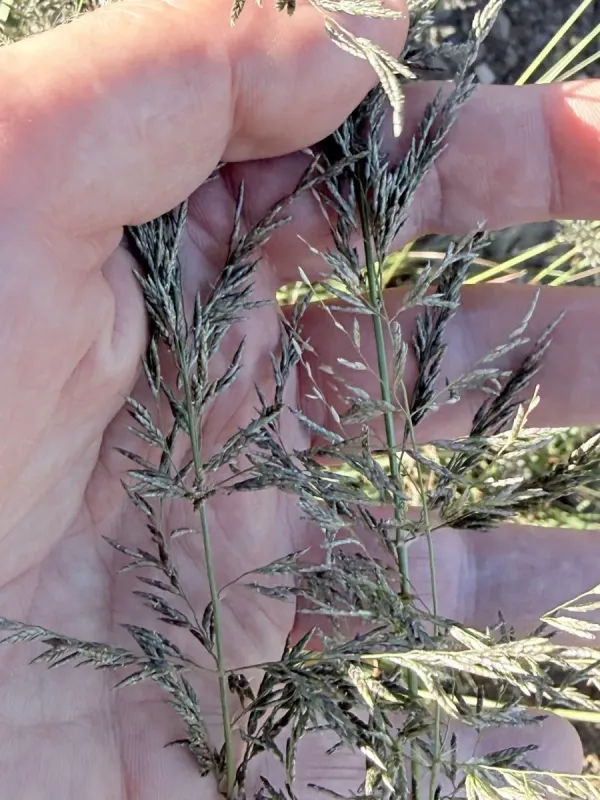
Description
Growing requirements
Giant dropseed (Sporobolus fimbriatus) is a prominent perennial grass species within the Poaceae family. Native to southern Africa, it is widely recognized for its adaptability to arid and semi-arid environments where other forage crops struggle to persist.
This grass species is characterized by its deep root system, which allows it to thrive in various soil types, ranging from sandy loam to heavier clay textures. It shows remarkable resilience in regions with low annual rainfall.
Regarding climatic requirements, the plant prefers warm, sunny conditions. It is highly heat-tolerant but susceptible to frost, making it suitable primarily for tropical and subtropical agricultural zones.
Agronomic management of this crop involves ensuring proper pasture rotation. Because of its vigorous growth habit, it can quickly establish itself when conditions are optimal, providing a consistent supply of forage for grazing animals.
In terms of agricultural utility, it serves as a primary source of feed for livestock. The grass maintains good nutritional density throughout the growing season, which is crucial for maintaining cattle health in pastoral farming systems.
Main diseases and pests
Pathogenic fungi, such as various rust species, are the primary disease threats. These pathogens tend to flourish during periods of high humidity and can significantly impact the quality of the fodder.
Insects like grasshoppers pose a recurrent threat to the aerial parts of the plant. Significant infestations can deplete the leaf area, resulting in decreased photosynthetic capacity and lower overall yield.
Root system health is vital, and waterlogged soils must be avoided as they lead to decay and vulnerability to opportunistic soil-borne pathogens, effectively thinning the pasture.
Management of pest populations in large-scale grazing systems often requires strict monitoring of biomass levels to ensure that the grass remains competitive against encroaching weeds.
The implementation of proper grazing intervals and rest periods is the most effective cultural strategy to mitigate the risk of disease spread within the stand of Sporobolus fimbriatus.