
Royal jasmine
Jasminum grandiflorum L.
Description
Growing requirements
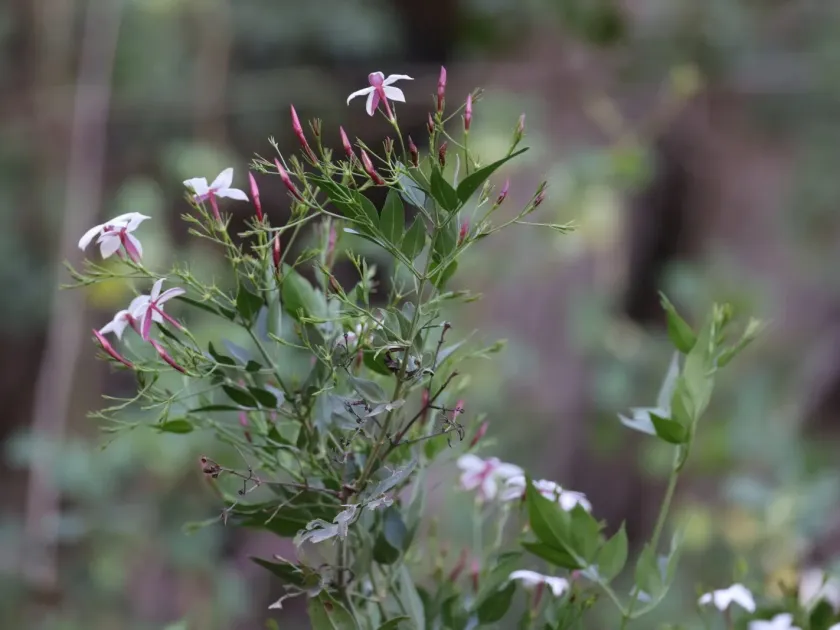
Royal jasmine (Jasminum grandiflorum L.) is a perennial evergreen shrub belonging to the Oleaceae family. It is widely recognized for its intensely fragrant flowers, which are highly prized for the production of high-quality jasmine absolute in the perfume industry.
Originating from the tropical regions of the Himalayas, this plant thrives in warm, temperate climates. It requires substantial sunlight and protection from severe frosts, making it a staple crop in regions like India, Egypt, and parts of Southern Europe.
The crop requires fertile, well-draining soils with a slightly acidic to neutral pH. Proper soil structure is essential for healthy root development, as waterlogged conditions can lead to rapid decline and susceptibility to soil-borne pathogens.
Cultivation practices focus on providing adequate moisture and balanced nutrient levels throughout the growing season. Irrigation management is critical, especially during the peak blooming period, to ensure consistent flower production and essential oil quality.
Maintenance involves routine pruning to shape the plants and encourage the development of new, flower-bearing wood. This practice keeps the shrubs productive and manageable for workers during the labor-intensive harvest period.
Yield
The yield of royal jasmine is measured by the quantity of flowers harvested per hectare. With proper management and optimal plant density, commercial plantations can produce significant volumes of floral raw material over a lifespan of many years.
Factors influencing yield include soil fertility, irrigation frequency, and the age of the plants. High-yielding varieties are selected for propagation to maximize the economic output of essential oil per unit area.
Main diseases and pests
Common pests include aphids, spider mites, and scale insects, which can severely impact plant vigor. Integrated pest management strategies are essential to minimize damage while ensuring the safety of the final essential oil product.
Fungal diseases, such as powdery mildew, often occur in environments with poor air circulation or excessive humidity. Effective disease control relies on proper spacing of plants and application of preventive fungicides if necessary.
Harvesting
Harvesting royal jasmine is a manual process that requires precision and timing. Flowers are picked daily at dawn, as this is when the concentration of aromatic compounds is at its maximum and the flowers are least prone to damage.
The collected flowers are highly perishable and must be processed within a few hours. Quick transport and careful handling in airy containers prevent fermentation and degradation, ensuring the extraction process yields a premium-grade product.