
Wallich jasmine
Jasminum humile L. forma wallichianum (Lindl.) P. S. Green
Description
Growing requirements
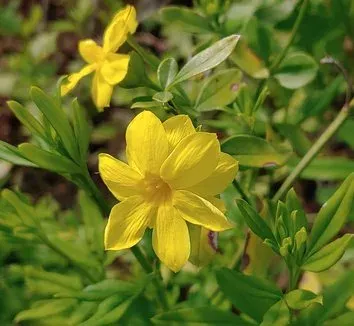
Wallich jasmine (Jasminum humile L. forma wallichianum) is an elegant ornamental shrub belonging to the Oleaceae family. It is widely recognized for its vibrant yellow, fragrant flowers and its ability to add a structural element to diverse garden settings.
Native to the Himalayan regions, this plant is naturally adapted to mountain environments. This origin contributes to its hardiness, although it thrives best in temperate climates where it can receive sufficient sunlight without extreme heat stress throughout the growing season.
Cultivation requires well-drained soil rich in organic matter to support vigorous growth. It is essential to ensure that the site is protected from harsh, drying winds, which can damage the foliage and cause excessive moisture loss during the colder months.
The agrotechnical requirements include regular pruning to control its size and shape, as the plant can develop a sprawling habit. Fertilization should be focused during the spring and early summer using balanced fertilizers to encourage profuse blooming and foliage density.
In regions with frost, it is recommended to grow this species in containers that can be moved indoors during winter. Proper spacing is necessary to facilitate airflow, which is critical for preventing common fungal issues and ensuring the plant remains healthy throughout its life cycle.
Main diseases and pests
Wallich jasmine is susceptible to typical garden pests, most notably aphids and spider mites. These pests thrive in dry environments, so maintaining consistent soil moisture and monitoring the undersides of leaves can significantly reduce the risk of an infestation.
Fungal pathogens such as leaf spot can occur if humidity levels remain too high without adequate ventilation. Proper garden hygiene, such as removing fallen leaves and ensuring the base of the plant is clear, helps in maintaining a disease-free environment for the shrub.