
Japanese rowan
Sorbus commixta Hedl.
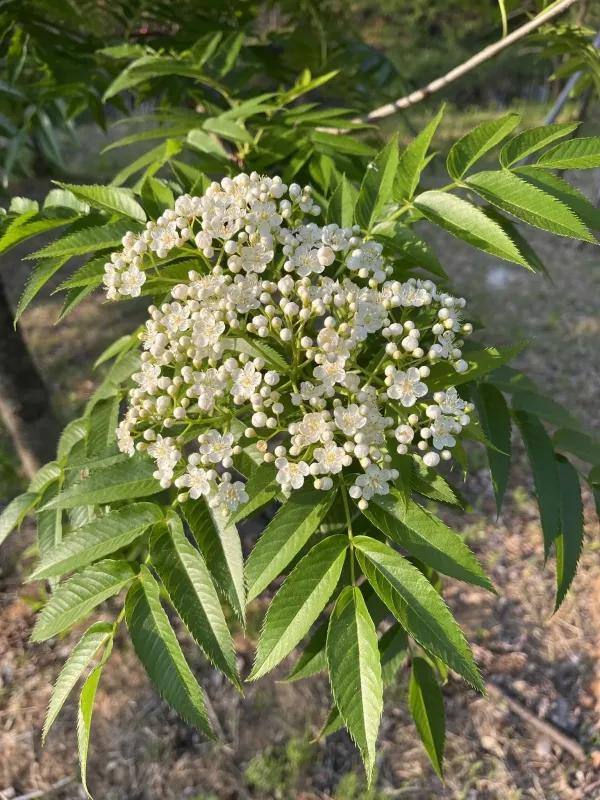
Description
Sowing dates
Seeds of Sorbus commixta should be sown in autumn to allow for natural cold stratification during the winter. Sowing depth should be approximately 1-2 centimeters in a well-prepared, loose substrate.
If sowing in spring, seeds require mandatory artificial stratification at temperatures between 0 and 5 degrees Celsius for at least three months. Germination can be slow and sporadic, requiring patience.
Vegetative propagation is typically performed via grafting onto rootstocks such as common mountain ash. This ensures the survival of the species' specific characteristics in cultivated environments.
Young seedlings are sensitive to dehydration and need consistent moisture levels during their first growing season. Providing partial shade for the first year helps young plants establish their root systems.
The growth rate of Japanese rowan is relatively slow in its youth. Maintenance tasks should focus on weeding the area around the base to prevent competition for nutrients and water.
Growing requirements
Japanese rowan belongs to the Rosaceae family and is highly valued for its extreme cold hardiness. It performs best when planted in full sun, which enhances both its flowering potential and autumn foliage color.
The species prefers fertile, well-draining loam soils with a neutral or slightly acidic pH level. It is important to avoid planting in sites with standing water, as the roots are prone to rot in waterlogged conditions.
While the tree shows good drought tolerance once established, periodic watering is beneficial during dry summer months. Mulching around the base helps retain soil moisture and improves soil structure.
This tree is well-suited for urban environments, as it demonstrates reasonable resistance to pollution and wind. Its strong wood structure makes it an excellent candidate for city parks and residential landscaping.
Regular pruning should be conducted in early spring before the buds break. The primary goal of pruning is to remove damaged, crossing, or dead branches to maintain the tree's health and aesthetic form.
Yield
The primary use of Sorbus commixta is in ornamental landscaping. It is prized for its upright growth habit, attractive white flower clusters in spring, and vibrant red-orange berries and leaves in autumn.
The small fruits produced by the tree are edible, though they are often bitter when raw. They are frequently used in traditional culinary preparations such as jellies, jams, and infused alcoholic beverages.
The wood of this species is dense and durable, historically valued for crafting small wooden tools and decorative handles. It is a slow-growing hardwood that maintains its integrity well over time.
Japanese rowan supports local wildlife by providing food for birds in the late autumn and winter seasons. Its flowers also serve as an important source of nectar for various pollinators during the spring.
Beyond aesthetics, the tree provides significant ecological value in urban settings. It helps improve air quality and provides habitat for various beneficial insects, contributing to garden biodiversity.
Main diseases and pests
Common health issues for Japanese rowan include fungal infections like leaf spot and rust. Preventive fungicide treatments in early spring can effectively manage these issues and maintain foliage quality.
Pests such as rowan moth larvae can damage the fruit crop. Integrated pest management, including the use of targeted biological controls, is recommended to protect the tree without harming beneficial insects.
Aphids can cause stress during hot spells by feeding on tender new growth. Regular inspection and simple soap sprays are usually sufficient to manage minor infestations without the need for harsh chemicals.
Fire blight is a serious disease that can affect members of the Rosaceae family. Strict hygiene practices, such as disinfecting pruning tools, are essential to prevent the spread of bacteria between trees.
- Maintain proper air circulation through thinning
- Remove infected limbs immediately
- Use disease-resistant nursery stock
- Monitor for early signs of leaf damage
- Ensure optimal soil drainage