
Madeira rowan
Sorbus aucuparia L. subsp. maderensis (Lowe) McAll.
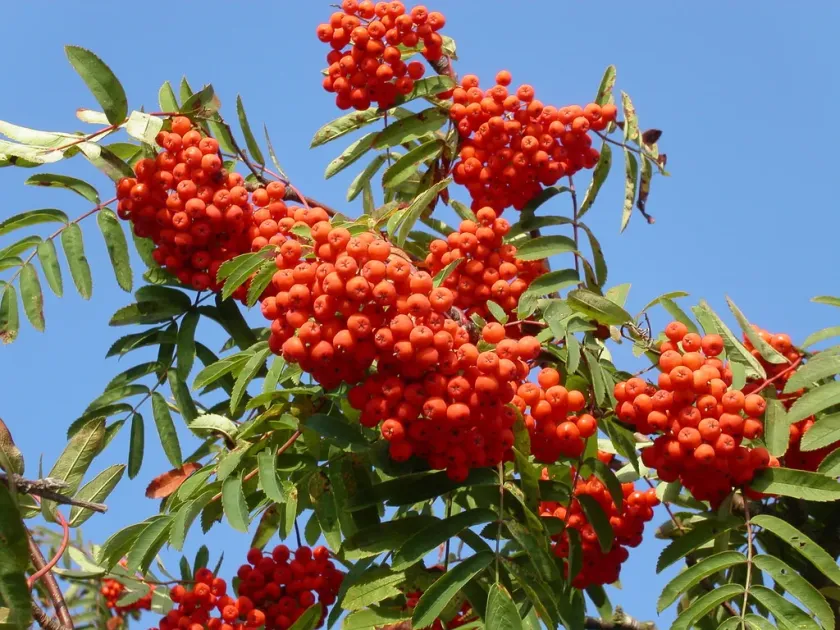
Description
Growing requirements
Madeira rowan (Sorbus aucuparia subsp. maderensis) is an endemic subspecies within the Rosaceae family. It is native to the high-altitude cloud forests of Madeira, where it has evolved to thrive in cool, humid environments.
The climate requirements for this culture include stable, moderate temperatures and high atmospheric humidity. It is sensitive to direct, harsh sunlight and performs best in locations that provide partial shade or are shielded from intense afternoon heat.
Soil preferences are directed towards well-drained, organically rich, and slightly acidic substrates. It does not tolerate heavy, waterlogged soils, which may cause severe stress to the root system and inhibit proper nutrient uptake.
Agricultural management requires careful attention to irrigation, ensuring the root zone remains consistently moist but never waterlogged. Mulching with organic matter helps stabilize soil temperatures and retains beneficial moisture levels.
Proper airflow is essential for the health of this tree. When planting, maintain adequate spacing to prevent the microclimate within the canopy from becoming too stagnant, which can encourage the growth of pathogens.
Main diseases and pests
Common threats to this species include fungal infections such as powdery mildew, which often appears when there is insufficient ventilation or high humidity levels within the foliage.
Pests like aphids pose a significant risk, particularly during the spring growth flush when soft new tissues are most vulnerable to sap-sucking insects that stunt overall development.
Root rot is a critical threat that develops in poorly drained soils. Farmers must ensure proper soil structure and avoid excessive irrigation during periods of slow growth to prevent this issue.
Scab disease on leaves and fruits is another potential threat, exacerbated by excessive rainfall and poor site selection. Regular inspection of the canopy is recommended to identify signs early.
Bark damage from physical trauma can lead to secondary infections. It is important to handle the tree with care during maintenance tasks and to protect the trunk from environmental stress.