
European rowan
Sorbus aucuparia L. subsp. praemorsa (Guss.) Nyman
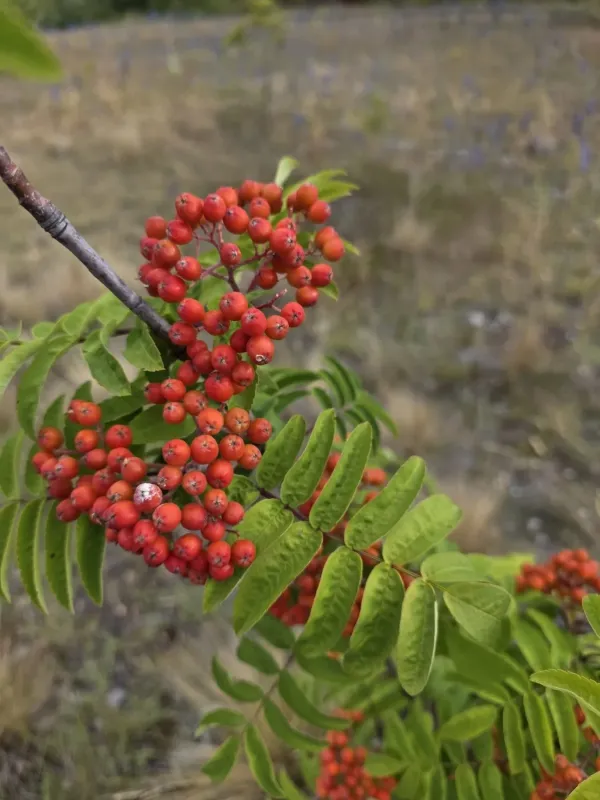
Description
Sowing dates
Propagation of the European rowan (Sorbus aucuparia L. subsp. praemorsa) is primarily performed through seeds or vegetative methods. Seeds require a mandatory stratification period of 3–4 months at temperatures between 0 and +5°C to break dormancy.
Sowing seeds in open ground is typically done in the autumn, allowing the seeds to undergo natural stratification during the winter months. Spring sowing requires pre-treatment of seeds in a moist medium.
Vegetative propagation, such as grafting onto hardy rootstocks, is the preferred method to ensure that the offspring retain the exact characteristics of the parent variety. Late summer is considered the ideal time for budding.
Planting of seedlings is best performed in early spring or late autumn when the plant is dormant. Preparing planting pits in advance with organic fertilizer promotes healthy root establishment.
Spacing requirements for orchards or landscape plantings generally range from 3 to 5 meters, depending on the vigor of the rootstock and the intended crown form.
Growing requirements
The European rowan belongs to the Rosaceae family and is highly adaptable to various environmental conditions. It thrives in temperate regions across Europe and Western Asia, showing excellent frost resistance.
This species prefers fertile, well-drained loamy soils with moderate moisture levels. While it is tolerant of various soil conditions, it should be protected from waterlogged areas that may cause root rot.
Adequate sunlight is essential for optimal growth and fruit production. In heavily shaded areas, the tree becomes sparse and significantly less productive, resulting in lower fruit quality.
The rowan tree prefers neutral to slightly acidic soil conditions. Proper soil management and the avoidance of high alkalinity are necessary to prevent nutrient deficiencies.
Regular maintenance, including structural and sanitary pruning, is vital for long-term health. Pruning helps to improve light penetration into the canopy and removes dead or diseased branches.
Yield
The rowan tree is valued for its fruits, which are widely used in the food industry, pharmacology, and for decorative purposes. The berries are rich in vitamins, antioxidants, and organic acids.
Yield capacity depends on the tree's age, sun exposure, and management practices. A mature, healthy tree can produce between 40 and 80 kilograms of fruit per season.
Productive fruiting usually begins 4–6 years after planting and continues for many decades. Consistent care and fertilization ensure stable yields throughout the tree's lifespan.
Harvesting is conducted once the berries have reached their full maturity and typical red color. Frost exposure is often beneficial, as it reduces the natural bitterness of the fruit.
Uses include the production of jams, jellies, preserves, syrups, and vitamin-rich teas, as well as being a source of natural pigments for food coloring.
Main diseases and pests
Common diseases affecting the rowan tree include scab, fruit rot, and powdery mildew. These fungal pathogens can severely affect both the aesthetic quality of the tree and the total yield.
Key pests include the rowan moth and various aphid species. Aphids are particularly troublesome in the spring, as they feed on young shoots, leading to stunted growth and leaf curling.
Fungicide treatments before and after the flowering stage are recommended to mitigate fungal infections. Maintaining garden hygiene by removing infected plant material is a crucial preventive step.
Insecticide application should be targeted according to the severity of the infestation. Integrated pest management, including the use of beneficial insects, can also reduce the reliance on chemicals.
Ensuring the tree is well-hydrated and properly fertilized improves its natural resistance to environmental stress and pathogenic attack.
Harvesting
Berries are harvested manually or by snipping off the entire clusters to avoid damaging the buds for the following year. Care must be taken not to scratch or bruise the tree's bark during the process.
Once harvested, the fruit should be processed or stored in a cool, dry environment immediately. High humidity during storage significantly increases the risk of mold formation.
Drying is a common preservation method, especially for pharmaceutical use. Berries should be dried at temperatures not exceeding 60°C to preserve their heat-sensitive nutrients.
Mechanical harvesting may be feasible for large-scale operations using tree-shaking machinery, although hand-picking remains the standard for maintaining fruit integrity.
Harvest timing depends on the end goal: for fresh consumption, berries are often left until the first frost; for manufacturing purposes, they are gathered slightly earlier.