
Wild service tree
Sorbus torminalis (L.) Crantz
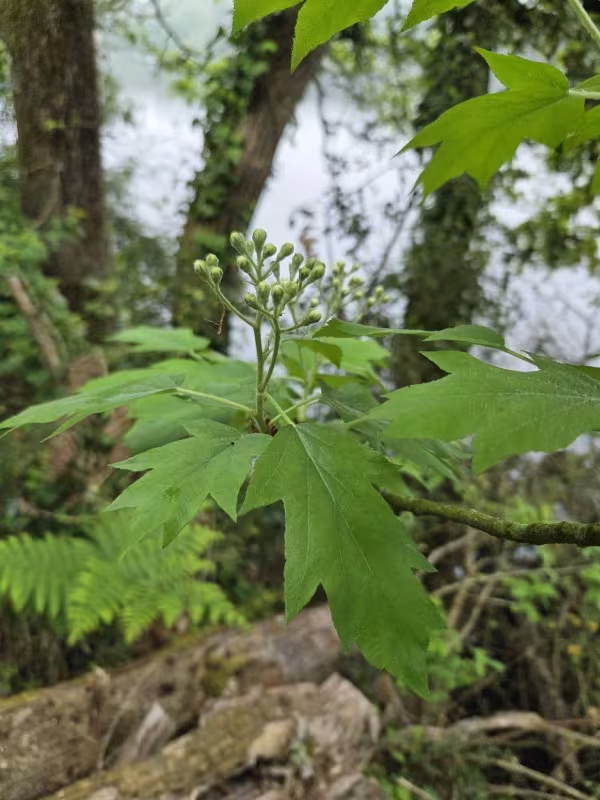
Description
Sowing dates
Propagation of the wild service tree is primarily done through seeds, which require a lengthy stratification period of three to five months in cold conditions to break dormancy.
Sowing should be performed in well-drained nursery beds during autumn, allowing natural winter temperatures to prepare the seeds for germination in spring.
Vegetative propagation, such as grafting onto common rowan or hawthorn rootstocks, is a common practice to ensure consistent fruit quality and faster maturity.
When establishing an orchard or plantation, young saplings should be planted in early spring before the onset of the active growing season.
Adequate spacing is crucial for this species, as it develops a broad, dense crown; therefore, a minimum distance of 5 meters between trees is highly recommended.
Growing requirements
The wild service tree is a member of the Rosaceae family that thrives in fertile, deep, and well-drained loam or carbonate-rich soils with a neutral pH.
It is a light-demanding species that requires sunny positions to ensure optimal growth and regular fruit production, although it can tolerate partial shade in its early years.
This tree is remarkably drought-tolerant once established due to its deep taproot system, making it suitable for regions with variable rainfall patterns.
Waterlogging and heavy clay soils must be avoided, as the tree is susceptible to root rot when subjected to prolonged saturation or poor drainage conditions.
Naturally distributed across Europe and parts of the Middle East, it prefers temperate broadleaved forest habitats, favoring locations with sufficient warmth during summer.
Yield
The wild service tree usually begins producing fruit between 10 and 15 years of age, with yield capacity increasing steadily as the tree matures.
The fruit, which resembles small brown berries, is edible and highly prized for its unique sweet, spicy flavor that develops fully after the fruit is slightly bletted.
A mature, healthy specimen can produce a significant yield, with quantities varying based on the site's environmental conditions and annual maintenance.
In addition to food production, the species is renowned for producing exceptionally high-quality timber, which is often considered the most valuable among European forest trees.
The fruits contain high levels of vitamins and sugars, making them a traditional ingredient in the production of high-end fermented beverages and preserves.
Main diseases and pests
While generally robust, the tree is susceptible to several fungal diseases, including powdery mildew and apple scab, which can impact foliage and fruit development.
Pests such as aphids and leaf-eating caterpillars may occasionally infest the trees, causing minor damage if populations reach critical levels.
Root health is a primary concern, and sites with poor soil aeration can lead to the development of root rots which can compromise the tree's structural integrity.
Young trees are vulnerable to browsing by deer and rodent damage to the bark, necessitating physical protection methods during the establishment phase.
Integrated pest management, including regular monitoring and the removal of infected plant material, is essential for maintaining a healthy and productive grove.
Harvesting
Harvesting of the fruits takes place in autumn, typically when they change from a green to a deep brown color and become slightly soft to the touch.
Traditional harvesting often involves waiting for the first light frosts, as this process naturally enhances the fruit's flavor profile and reduces astringency.
Manual harvesting is necessary to prevent bruising the delicate skin, as damaged fruits are prone to rapid spoilage and reduction in shelf life.
Post-harvest ripening is a standard practice where fruits are kept in cool, well-ventilated conditions to finalize the sweetening process before consumption.
Careful handling and short-term storage in cool, dry areas ensure that the fruits retain their nutritional value and quality for processing purposes.