
Service tree
Sorbus domestica L.
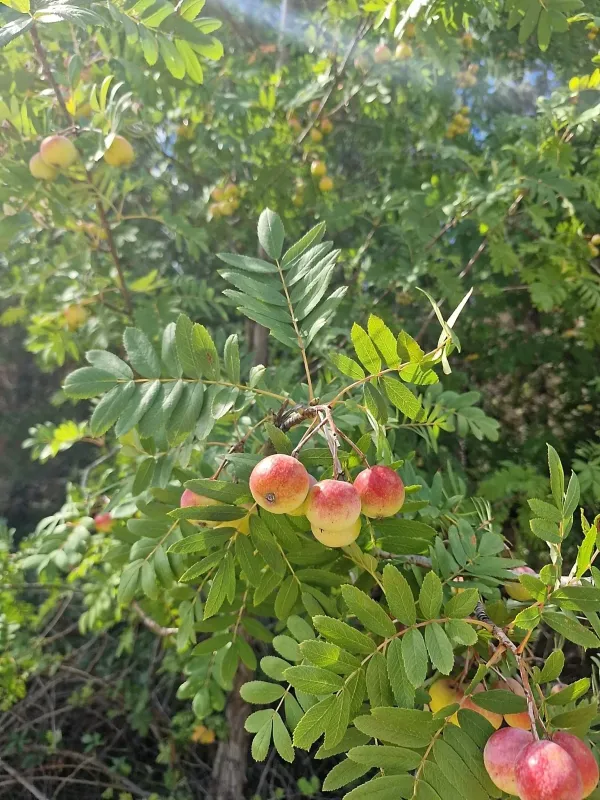
Description
Sowing dates
The service tree (Sorbus domestica), a member of the Rosaceae family, is a long-lived deciduous tree valued for both its decorative appearance and its edible, pear- or apple-shaped fruits. It is a slow-growing species that typically begins to bear fruit after several years of development.
Propagation is primarily done via seeds, which require a lengthy period of cold stratification to break dormancy. Seeds should be sown in the autumn to ensure they experience the necessary winter chilling for successful germination in the spring.
For commercial orchards, grafting is the preferred method to maintain specific fruit quality and accelerate the tree's maturity. Common rootstocks such as the common rowan or hawthorn are frequently used for this purpose.
Planting should be performed in the early spring or late autumn when the tree is dormant. Proper site selection is crucial, as these trees prefer locations where they will have enough space to accommodate their large, spreading canopy over the decades.
While the service tree can be partially self-fertile, cross-pollination between two different specimens is highly recommended to improve fruit set and increase overall yield in the orchard setting.
Growing requirements
This species thrives in temperate climates, preferring warm, sunny spots that are sheltered from harsh, drying winds. Adequate exposure to sunlight is essential for the wood to ripen properly and for the fruit to develop its full sugar content.
The service tree performs best in deep, fertile, and well-drained soils. It is particularly sensitive to waterlogging, as excessive moisture in the root zone can quickly lead to fungal infections and tree decline.
Although it exhibits good drought tolerance once established, consistent watering during the first few years of growth is vital for developing a robust root system and promoting healthy, vigorous development of the crown.
Neutral to slightly alkaline soil pH is optimal. In areas with highly acidic soil, amendments like lime should be added to ensure the tree can effectively absorb necessary nutrients and calcium, which are vital for fruit quality.
Management practices should include mulching around the base of the tree to retain moisture and suppressing weed growth. Balanced organic fertilizers applied in early spring help sustain the tree’s nutrient needs during the active growing season.
Yield
An established service tree can produce a substantial harvest, sometimes reaching up to 100 kg of fruit. The size and quality of the fruit are highly dependent on the tree's health, environmental conditions, and the intensity of orchard care.
The fruit, known as sorbs, are typically harvested in the autumn. They are unique in that they are often astringent when first picked, requiring a period of bletting—a softening process—before they become sweet and palatable.
Usage of the fruit is versatile, including fresh consumption, drying, and processing into jams, jellies, and traditional fermented beverages. Their high sugar and pectin content makes them a preferred ingredient in artisan fruit products.
Pruning is essential to maintain high yields. By removing dead wood and thinning the dense canopy, gardeners can ensure that sunlight reaches the inner fruit, thereby increasing both the size and the uniform coloration of the berries.
Strategic variety selection allows for staggered ripening periods, ensuring a longer harvesting season. This diversity is a major advantage for smaller orchards that supply fresh fruit markets or specialized culinary projects.
Main diseases and pests
Powdery mildew is a common fungal threat, particularly in humid, poorly ventilated environments. Maintaining an open tree structure through regular pruning is a primary preventative measure against this disease.
Pests like the rowan moth and aphids can damage the foliage and fruit set. Monitoring the orchard and utilizing integrated pest management, including beneficial insects, can control these populations without reliance on harsh chemicals.
Fire blight is a serious bacterial disease that can affect the tree. If symptoms appear, immediate and aggressive pruning of affected branches is necessary to prevent the pathogen from spreading to the rest of the tree.
Scab is another fungal issue that affects both leaves and the surface of the fruit, reducing their quality. Clearing fallen leaves and debris from under the tree in autumn is an effective way to break the disease cycle.
Regular maintenance, including proper fertilization and adequate watering, helps keep the trees strong and resilient. Healthy trees are significantly less prone to disease attacks and can recover faster from environmental stress.
Harvesting
Harvesting usually occurs in September or October. The fruits should be picked once they reach their characteristic color and begin to yield slightly to pressure, indicating that they have reached technical maturity.
The fruit must be handled with care during collection to avoid bruising. Because the fruits are soft when fully ripe, they should be stored in shallow crates to prevent pressure damage and rot.
The post-harvest bletting process is critical for flavor development. By storing the fruit in a cool, ventilated area, the starches convert into sugars, turning the firm, bitter berries into soft, sweet treats over the course of several weeks.
Once the harvest is complete, it is an ideal time to apply a potassium-rich fertilizer to help the tree prepare for winter dormancy. This provides the necessary resources for the tree to remain healthy throughout the cold months.
Storing the finished products—such as jams or dried fruits—ensures that the unique flavor profile of the service tree can be enjoyed throughout the year. The longevity and high quality of processed sorb products make them a valuable addition to any pantry.