
Rowan
Sorbus aucuparia L.
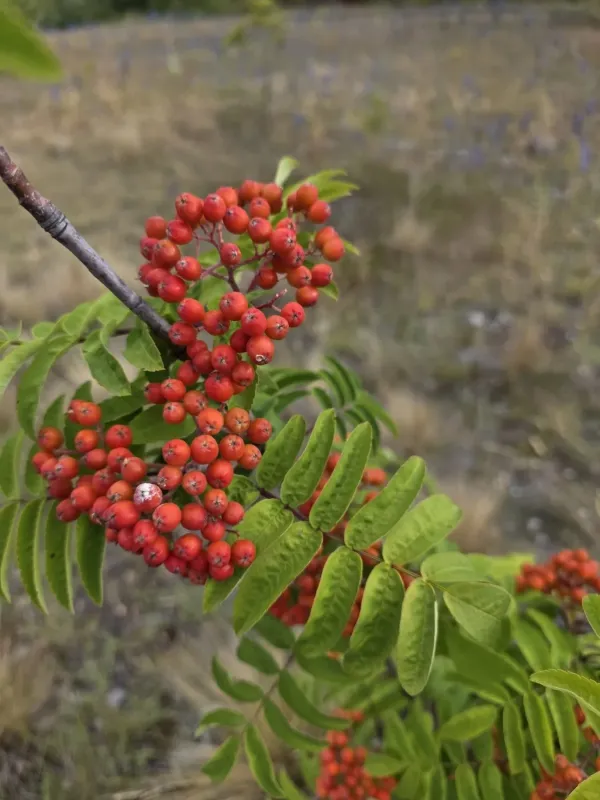
Description
Sowing dates
The planting of the Rowan tree (Sorbus aucuparia L.), a member of the Rosaceae family, is recommended primarily during the autumn season. The optimal time is late September or early October, which allows the plant to establish its roots before the onset of winter dormancy.
Spring planting is also viable but must be completed as early as possible, before active sap flow and bud break. In regions with harsh winters, early spring planting often yields better survival rates for young saplings.
For propagation from seeds, sowing should be done in the autumn, as seeds require a period of cold stratification to break dormancy. Seedlings usually emerge in the following spring and require careful watering and weeding.
Vegetative propagation, such as grafting or taking cuttings, is the standard method for commercial growers to preserve the specific traits of a variety. Grafted trees reach the bearing age significantly sooner than trees grown from seeds.
Site preparation involves digging planting holes approximately 60x60 cm a few weeks in advance. Incorporating organic matter into the soil ensures that the tree has a strong start for its initial growth phase.
Growing requirements
Rowan is an extremely winter-hardy and adaptable species. It is native to various temperate regions of Europe and Asia, showing high resilience to cold temperatures, wind, and varying environmental conditions.
The species prefers deep, fertile, and moderately moist loamy or sandy soils with a neutral or slightly acidic pH. It can tolerate partial shade, but it performs best and produces more fruit when planted in full sun.
Good soil drainage is essential for the health of the tree, as it does not tolerate waterlogged conditions. Excessive moisture can lead to root rot and other fungal infections, severely impacting the tree's development.
In the first few years after planting, regular watering is crucial to support the establishment of the root system. Once mature, Rowan trees are relatively drought-tolerant, though supplemental irrigation during fruit development improves yields.
Minimal fertilizing is required, but an application of balanced organic fertilizer in early spring can boost growth. Proper spacing is necessary to ensure adequate airflow and light penetration throughout the canopy.
Yield
The Rowan tree is a prolific producer, with mature trees capable of yielding between 20 and 50 kg of berries annually. Yield is influenced by the specific cultivar, tree health, and prevailing weather conditions during the growing season.
Trees typically begin to bear fruit between 4 and 6 years of age. They maintain strong productivity for several decades, making them a valuable crop for both ornamental and food-producing orchards.
The berries, often called rowanberries, are used extensively in the food industry for jams, jellies, juices, and spirits. They are well-regarded for their high vitamin C content and unique tart flavor profiles.
Annual pruning is a key agricultural practice to maintain tree health and ensure quality fruit size. By removing dead wood and thinning dense branches, growers can improve light circulation and facilitate easier harvesting.
In large-scale orchard management, maintaining an appropriate distance between trees is vital to prevent overcrowding and ensure efficient pollination. Proper management leads to consistent, high-quality yields over the tree's lifespan.
Main diseases and pests
Rowan trees are susceptible to several pests, including the rowan moth, aphids, and various sawfly species. These pests can cause significant damage to foliage, buds, and young developing fruit clusters.
Fungal diseases such as rust, powdery mildew, and scab are common threats to the tree's appearance and fruit quality. Maintaining proper hygiene, including the removal of infected leaves and branches, is the first line of defense.
Preventative measures include regular inspection and the use of targeted insecticide or fungicide applications when necessary. Integrated pest management practices help minimize chemical use while effectively controlling populations.
Protecting the bark from rodents and large wildlife is important, especially for younger trees in rural areas. Wrapping the trunks during winter months provides an effective physical barrier against bark stripping.
Overall, a well-nourished and correctly pruned tree possesses stronger natural immunity. Proactive management of the orchard environment is the most effective way to prevent the establishment of harmful pathogens.
Harvesting
The harvest season for Rowan berries generally spans from late August to October. Berries are ready when they achieve their full, vibrant color, indicating that the sugars and nutrients have reached their peak.
The berries are known for a natural bitterness which is significantly reduced after the first frost. Consequently, many harvesters wait until the first cold snap to collect the fruit, as the flavor becomes much milder and sweeter.
Harvesting is typically performed by hand, carefully cutting the berry clusters with pruning shears. It is important to treat the branches gently to avoid breakage, which could leave the tree vulnerable to future infections.
Harvested berries should be sorted, cleaned, and stored in cool, well-ventilated areas. They have a relatively good shelf life if kept dry, preventing the growth of molds and the onset of spoilage.
Drying is a traditional and effective preservation method for rowanberries. Once dried, they serve as a concentrated source of vitamins throughout the winter months, perfect for tea infusions and various medicinal preparations.