
Siberian Rowan
Sorbus aucuparia L. subsp. sibirica (Hedl.) Krylov
Description
Sowing dates
The Siberian Rowan (Sorbus aucuparia subsp. sibirica) is a member of the Rosaceae family, highly valued for its extreme winter hardiness in harsh northern climates.
In commercial cultivation, the species is typically propagated via grafting onto common rowan rootstocks to ensure consistency in fruit quality and yield.
Planting is recommended during the dormant period, either in early spring before sap flow begins or in the autumn once the leaves have fallen.
When establishing an orchard, it is essential to provide adequate spacing of approximately 4–5 meters between individual trees to allow for sufficient airflow.
Soil preparation should involve incorporating organic matter into the planting pit to ensure that the young tree establishes a strong root system quickly.
Growing requirements
This subspecies is renowned for its ability to thrive in extremely cold environments, making it a staple choice for northern agriculture and garden landscaping.
Rowan trees require well-drained, fertile soil and thrive in neutral or slightly acidic conditions, while being intolerant to waterlogged or saline soils.
Optimal growth and high fruit yields require a location with full sunlight; shaded environments significantly reduce both berry production and sugar content.
While mature trees exhibit significant drought tolerance, young plants need consistent moisture during their initial years to survive and flourish.
Mulching the root zone is a critical agricultural practice to conserve moisture and regulate soil temperature during hot summer months.
Yield
Yield capacity depends on the tree's age and health; a mature Siberian Rowan can produce anywhere from 40 to 80 kilograms of fruit per season.
The berries are less bitter than those of the common wild rowan, making them highly desirable for jams, jellies, juices, and medicinal extracts.
Harvesting for commercial purposes requires careful timing to ensure that the berries have reached peak vitamin concentration before collection.
Consistent annual pruning helps maintain a productive structure, preventing the tree from becoming too dense and ensuring larger, healthier berry clusters.
Productivity remains stable for many years, provided the trees are protected from pests and receive adequate nutrients, specifically potassium and phosphorus.
Main diseases and pests
Common pests affecting the Siberian Rowan include the rowan moth and various aphid species that can damage foliage and impede photosynthetic activity.
Fungal diseases like apple scab and powdery mildew can occur, especially in seasons characterized by high humidity and poor air circulation within the canopy.
Integrated pest management strategies, including dormant oil sprays and targeted fungicide applications, are recommended to maintain tree vigor.
Regular sanitation, such as removing fallen leaves and infected branches, is essential to break the life cycle of common pathogens.
- Regular inspection for aphid colonies.
- Monitoring for trunk-boring insects.
Harvesting
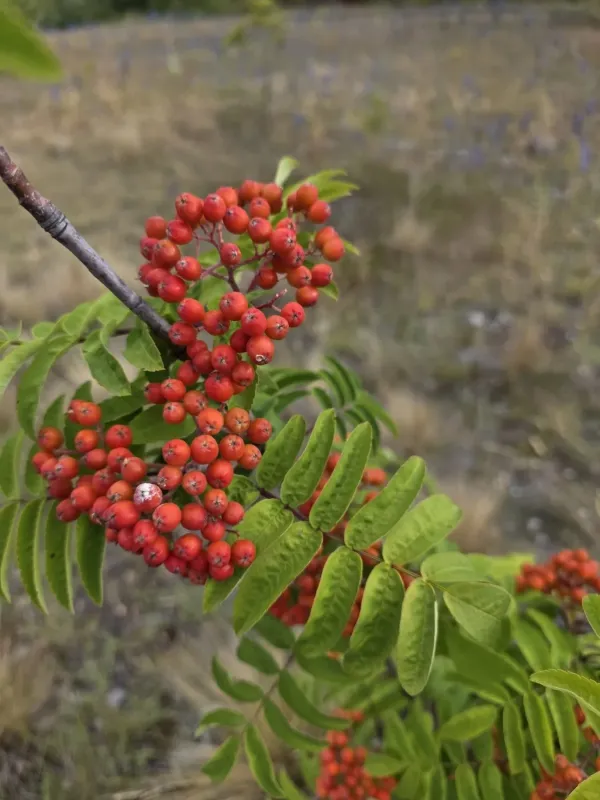
Harvesting typically occurs in September, when the berries reach their deep red-orange color and begin to soften slightly.
It is best to harvest the clusters by cutting the stalks to prevent bruising the delicate berries, which helps extend their shelf life significantly.
Some growers prefer to harvest after the first frost, as this helps reduce the tannins in the berries, resulting in a sweeter, more palatable flavor profile.
Post-harvest, berries should be sorted to remove any debris or damaged fruit, then placed in ventilated cold storage until processing begins.
Properly handled berries can be stored in refrigerated conditions for several weeks, facilitating logistics for large-scale agricultural operations.