
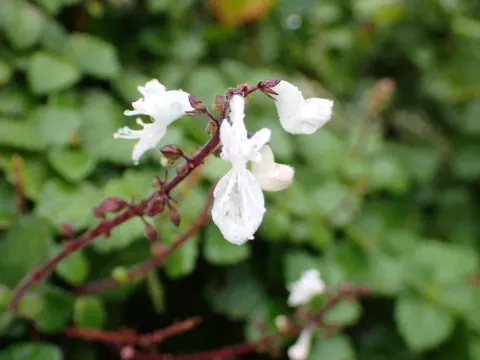
Coleus
Solenostemon x Perilla
Coleus, a member of the Lamiaceae family, is widely cultivated as a popular ornamental plant. Propagation is typically done via seeds, which should be sown indoors in late winter or early spring.
What the section contains

Coleus
The seeds are small and should be sown on the surface of the growing medium without being buried deep, as they require light to germinate effectively. Covering the tray with a plastic lid helps maintain moisture.
Germination usually takes about 10 to 14 days when the soil temperature is kept between 20 and 22 degrees Celsius. A consistent moisture level is essential during this stage.
Once the seedlings develop their first true leaves, they should be transplanted into individual pots. This practice encourages stronger root development and provides sufficient space for growth.
Hardening off the plants before transferring them outdoors is crucial. Only after the last frost has passed can coleus be planted in the garden or placed on a balcony.
Coleus thrives in bright, indirect sunlight. While some varieties tolerate partial sun, most prefer a location protected from the harsh afternoon heat to prevent leaf fading.
The soil must be well-draining, rich in organic matter, and slightly acidic to neutral. High-quality potting mix is usually sufficient for container-grown plants.
Consistent watering is necessary to keep the soil evenly moist but never waterlogged. In warmer climates or during summer, regular watering becomes more frequent to sustain the foliage.
Regular fertilization with a balanced, water-soluble fertilizer promotes lush growth. It is recommended to feed the plants every two weeks during the active growing season.
Frequent pinching of the growing tips is highly recommended to encourage branching. This simple technique transforms leggy stems into bushy, compact, and attractive plants.
Pests are the most common issue for coleus, particularly mealybugs, aphids, and spider mites. These insects thrive in dry, warm conditions and feed on the plant's sap.
Root rot is the primary disease concern, typically caused by overwatering or poorly drained soil. It manifests as wilting leaves and dark, mushy stems near the base.
Cultural control, such as improving air circulation and ensuring the soil is not too damp, is the most effective way to prevent the onset of fungal infections.
If an infestation is detected, insecticidal soaps or neem oil can be applied to treat the foliage. Always ensure the undersides of the leaves are thoroughly coated.
Maintaining a clean growing environment and isolating new plants before introducing them to an existing collection helps prevent the spread of diseases and pests.